What Wine Goes with Mexican Food: A Pairing Guide with Wines from Mexico
Tacos, mole, pozole or aguachile: what wine goes with Mexican food, three easy rules to remember and the Mexican grapes that pair best with it.

On the table there are tostadas, a salsa that promises heat, cut limes and a freshly opened bottle. The question arrives before the first bite: which wine goes with Mexican food. The short answer fits on a napkin: choose the wine for the salsa, not for the meat. The chile, the fat, the acid of the lime and the sweetness of a mole change how any glass feels, and they, more than the chicken or the pork, decide whether the pairing works.
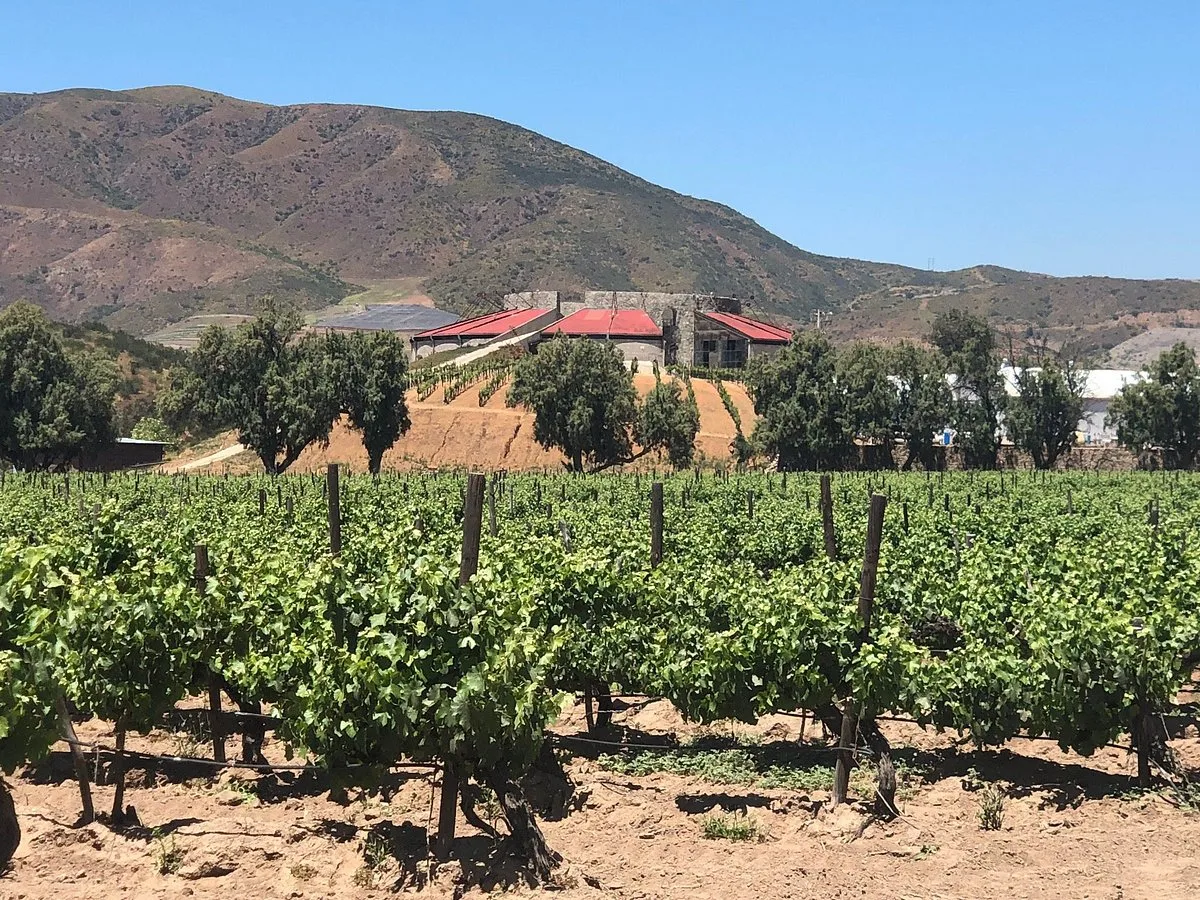
The good news is that you do not need an expensive bottle or one brought from far away. The wines that talk best with our cuisine tend to have lively acidity, moderate alcohol and friendly tannins, and Mexico makes them in white, rosé, red and sparkling, from Guadalupe Valley (Valle de Guadalupe) and the rest of Baja California, Mexico, to the vineyards of Querétaro.
What follows is three easy rules to remember, a dish-by-dish tour and the Mexican grapes worth looking for on the label. Take them as a starting point: everyone's palate has the last word.
What are the rules for pairing wine with Mexican food?
The Wine & Spirit Education Trust (WSET), the British wine school, sums up the chemistry of the table in one simple idea. The sweetness, umami and heat of a dish harden the wine: they make it feel more bitter, more acidic and more astringent, with the alcohol more obvious and less fruit. The salt and acidity of the plate do the opposite: they soften it. That is enough for three rules:
- Chile asks for freshness, not force. Alcohol and tannin fan the burn of capsaicin, so a powerful, high-alcohol red turns a chile de árbol salsa into a wildfire. Wines with moderate alcohol, little tannin and good acidity work better. If they also have a touch of sweetness, better still: residual sugar is one of the few things that calm the heat from the glass.
- Fat asks for acidity. Carnitas, chicharrón (fried pork rinds), queso fundido (melted cheese) or a tortilla browned in oil leave the palate coated. A wine with lively acidity cleans the mouth between bites, and a dry sparkling wine does the same job with bubbles. Fat is also an ally against chile: capsaicin dissolves in it, which is why cream and cheese bring down the fire.
- The sweetness of a dish does not forgive a very dry wine. A mole, chiles en nogada or a dessert make a very dry wine seem more acidic and more bitter than it is. There, ripe fruit and soft tannins are the answer and, when dessert arrives, a wine at least as sweet as the plate.
There is an ally that is almost always on the table: lime with salt. By the same rule, the acidity and salt of the dish round out the wine, and a well-squeezed taco can make a young red feel friendlier than it seemed alone in the glass.
Tip
If you do not know what to open, open a dry rosé. It has the freshness of a white, some of the fruit of a red and almost no tannin. It is the most reliable wild card at the Mexican table.
What wine goes with tacos and antojitos?
A taco brings together tortilla, filling, salsa, onion, cilantro and lime, and each piece pulls its own way. That is why the salsa matters more than the meat. A raw green one is acidic and herbal, a red one of dried chiles is toasty and deep, and a habanero one is pure fire. With that in mind:
- Al pastor. Dried-chile marinade, pork fat and a hit of pineapple. A dry rosé, well chilled, or a young, light red served at 54 to 57°F (12 to 14°C).
- Carnitas and suadero. A lot of fat and deep flavor. A brut sparkling wine or a white with good acidity. If you prefer red, make it light and with little oak.
- Fish tacos or battered shrimp tacos. Fried batter, cabbage, cream and lime. A fresh white, such as a Sauvignon Blanc or a Chenin Blanc, or a sparkling wine.
- Barbacoa and birria. Consommé, dried chiles and spices. A medium-bodied red, with fruit and without excess oak. If the salsa really has heat, go back to the rosé.
- Quesadillas, sopes and gorditas. Melted cheese and masa: whites with some body or rosés. An acidic green salsa brings the dish closer to Sauvignon Blanc.
- Steak or charcoal-grilled skirt steak (arrachera). Here a red with structure fits, such as a Tempranillo, a Syrah or a Cabernet Sauvignon, as long as the salsa is not too hot.
A practical detail weighs more than it seems: temperature. A red served at room temperature (al tiempo) on a hot afternoon ends up well above what suits it, and in the heat the alcohol shows more and the chile burns more. A few minutes in a bucket of ice water put it back in its place. Whites, rosés and sparkling wines, fresh and almost without tannin, are the ones that best stand up to a fierce salsa.
What wine goes with mole?
Mole is the acid test of Mexican pairing because it gathers in one pot almost everything that complicates a wine: chile, spices, toasted ingredients, sometimes chocolate and almost always a sweet base. According to the WSET rule, that sweetness and heat harden the wine. At the table, that means a very tannic or very alcoholic red, or one marked by a lot of oak, turns harsh next to a mole poblano.
What works is fruit. A red with ripe fruit and soft tannins, such as a Grenache or a young Tempranillo, goes with the sweetness without fighting the chile. And if the mole is very hot, a rosé with body is a safer bet than it seems.
- Mole poblano or mole negro: a fruity red with friendly tannin. Avoid wines with a lot of oak and a lot of alcohol.
- Mole verde and pipián: herbs, pumpkin seed and tomatillo. A white with body, such as a Chenin Blanc, or a rosé.
- Mole de olla and red broths: a light red, served a little cool.
- Enmoladas with cream and cheese: a rosé or a young red. The fat of the cream and cheese helps temper the chile.
What wine goes with pozole, cochinita and other stews?
Pot stews ask for wines that do not steal the show. In pozole, the key is the color of the broth and what you put on top: radish, lettuce, oregano, lime and chile powder freshen the dish and open the door to light wines.
- Red pozole: a light red or a rosé, served cool.
- White pozole: a white with lively acidity. The lime and oregano welcome it.
- Green pozole: an herbal white, such as a Sauvignon Blanc.
- Cochinita pibil: achiote, sour orange and red onion with habanero. A rosé or a light red. If you add a lot of habanero, look for low alcohol or a white with a touch of sweetness.
- Battered stuffed chile (chile relleno): a rosé or a white with body that can stand up to the frying and the tomato broth.
- Tamales: those with salsa verde ask for a fresh white, those with rajas (roasted chile strips) or mole, a rosé, and sweet ones, a sparkling wine with some sweetness.
What wine goes with seafood, ceviches and aguachiles?
The sea and lime are friendly ground. The acidity and salt of a ceviche soften the wine, so almost any fresh white shines beside it. The challenge is the chile: a serrano aguachile is acidic and salty, with heat on top, and there high alcohol costs you dearly.
- Ceviche, shrimp cocktail and tuna tostadas: a fresh white with good acidity, or a sparkling wine.
- Aguachile: a light white with moderate alcohol. If it is very hot, one with a touch of sweetness helps more than a very dry one.
- Fish a la talla or zarandeado (marinated and grilled over embers): a rosé or a white with body. The guajillo chile marinade and the embers accept even a light red.
- Grilled octopus: a dry rosé, with the freshness the lime asks for and the fruit the char asks for.
What wine goes with chiles en nogada and desserts?
Chiles en nogada bring together fruit, meat, walnut, pomegranate and a poblano chile that sometimes has heat and sometimes does not. It is a sweet, creamy dish, so the wine needs fruit and freshness. A rosé, a sparkling wine or an aromatic white works better than a tannic red, which will feel dry and bitter beside the walnut sauce.
With desserts, the sweetness rule becomes strict: the wine has to be at least as sweet as the dish, or it will taste sour. A late-harvest wine next to a flan or a Port-style red next to a chocolate dessert follow that rule. With a pan de muerto (sweet bread of the Day of the Dead) or a rosca (ring-shaped sweet bread), a sparkling wine with some sweetness is a lighter option. For the December table, from salt cod to buñuelos, we have a guide to wines for Christmas dinner.
Tip
Do the bite test: taste the wine alone, take a bite and taste it again. If after the bite the wine feels harsher or more sour, change style. If it feels rounder, you have found a pair.
That test is, in miniature, a tasting. If you want to sharpen the method, what to notice in the color, the nose and the palate is in our guide to tasting wine.
Which Mexican grapes should you look for?
On the label, these are the clues worth looking for. The profiles in our directory show where they are worked in Mexico:
- Fresh whites for seafood, fish tacos and white pozole: Sauvignon Blanc and Chenin Blanc. Finca La Carrodilla, in Guadalupe Valley, makes a single-variety Chenin Blanc according to its profile, and Sauvignon Blanc also appears in profiles from Querétaro and Guanajuato.
- Sparkling wines for carnitas, fried food and chiles en nogada: in Querétaro there are houses devoted to them. Cava 57, in San Juan del Río, specializes in sparkling wines made from the grapes of its own vineyards. How to choose between a brut and a semi-dry is in our guide to Mexican sparkling wines.
- Light, fruity reds for al pastor, mole and red pozole: Grenache and Tempranillo. Las Nubes planted both in 2009, along with Nebbiolo, Carignan, Cabernet Sauvignon and Merlot, among the first acres it set aside for commercial production. La Carrodilla, for its part, makes a young red from its three single-variety reds.
- Reds with structure for carne asada: Merlot, Cabernet Sauvignon and Syrah, the grapes that repeat most in the directory's profiles.
- Rosés for almost everything: the profiles record them in Baja California, Querétaro, Guanajuato and Coahuila. Ask for one that is dry and from a recent harvest.
If tannin feels rough to you even at the table, look for reds with little oak or start with a rosé. In our guide to soft and sweet red wines there is a four-bottle path to get your palate used to it. And remember that catalogs change with every harvest, so confirm with the winery which wines it has available before you go or buy.
Where can you try pairings in Mexican vineyards?
The fastest way to learn is to eat with the house wine, at the house. Some wineries turn it into a complete experience:
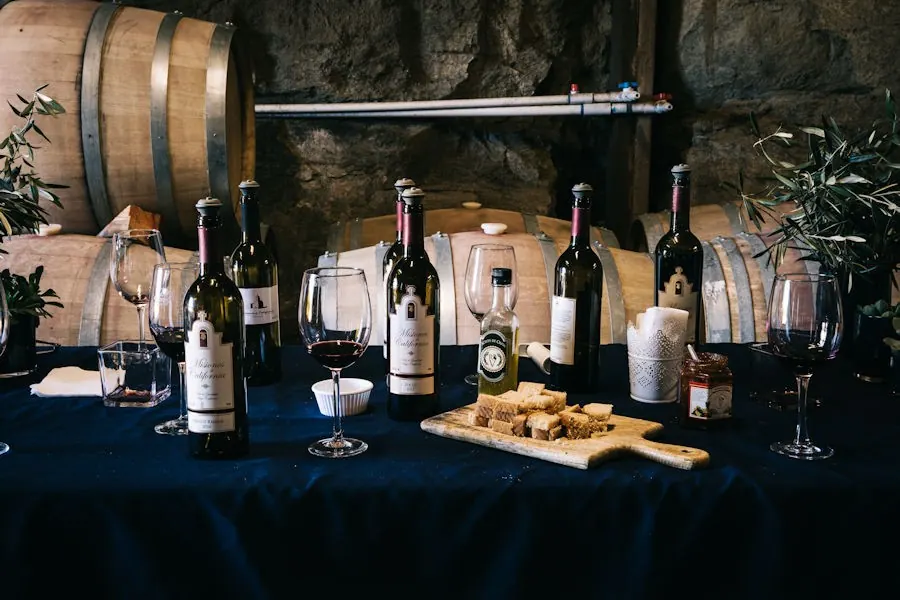
- In Tequisquiapan, Viñedo La Revuelta offers, after a walk through the vines, tasting menus of five, seven or ten courses paired with its reds, rosés and sparkling wines.
- In Guadalupe Valley, the profile of Monte Xanic mentions pairings with Mexican cuisine as part of the visit, in addition to the walk through its vineyards.
- If you prefer to have a restaurant do the cooking, in our section on restaurants, lodging and experiences near the wine routes (in Spanish) there are options for eating with wine from the region.
Cities and Wines of Mexico does not take reservations: each winery manages its own dates, menus and capacity, so confirm directly with it before you go.
If what you have on the table is a specific dish, our pairing guide (in Spanish) gathers them one by one, with the wine style, the grapes, the serving temperature and the glass: from mole poblano (in Spanish) to red pozole (in Spanish), tacos al pastor (in Spanish), ceviche (in Spanish) and chiles en nogada (in Spanish).
If there is no trip this week, the experiment fits in your kitchen. Buy a dry Mexican rosé and a young Mexican red, serve them cool and put them next to your favorite tacos, with their salsa and their lime. Alternate bites and tastes, switch glasses and notice which one gets friendlier with each bite. That is the bottle that goes with your table.
Share this story with whoever travels with you.