Mexican wines and grapesQuerétaroGuanajuatoBaja California
Mexican Sparkling Wines: How They Are Made, What the Label Says and Where to Taste Them, House by House
How Mexican sparkling wines are made, what brut nature, brut and off-dry mean, which grapes go into them and which Querétaro houses offer them.
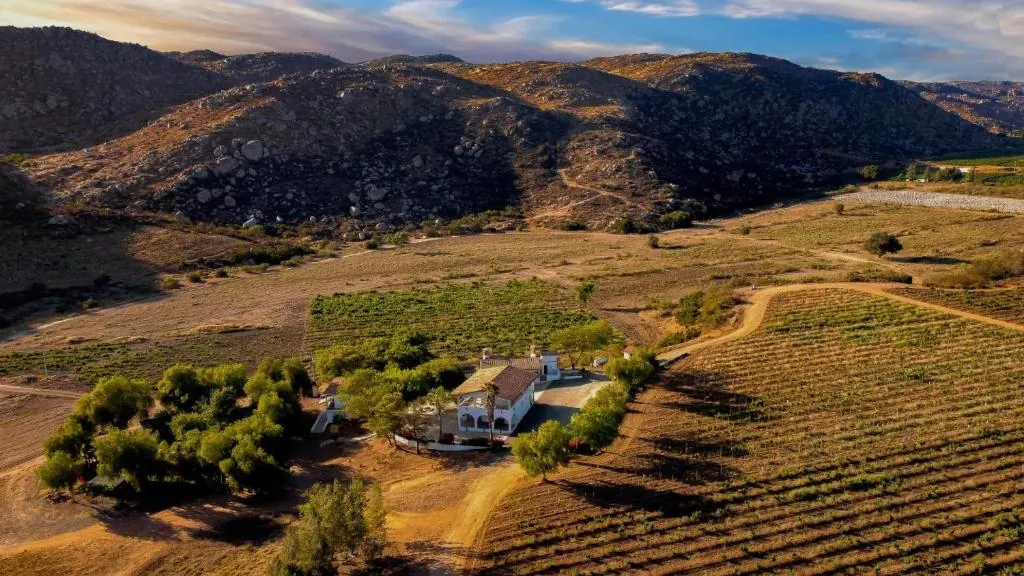
The cork comes out with a sigh and a thread of fine bubbles rises in the glass, slow to fade. Behind that thread are months, sometimes years, of work inside the bottle, and the Mexican sparkling wines made this way have a land of their own: the Querétaro wineries. In our directory, almost half the Querétaro profiles name at least one sparkling wine. Among the Baja California wineries, fewer than one in ten do.
This guide runs from technique to table: how the bubble is born, what brut nature or off-dry means, which grapes are used, how to read the label, how to serve it and with what food. At the end are the houses where you can taste them, one by one.
This story came out in 2023. In October 2026 we reviewed it bottle by bottle against each house's profile, and what no longer appears in them was removed. Cities and Wines of Mexico does not book visits. You request each tasting from the winery itself.
How are the bubbles in a sparkling wine made?
NOM-199-SCFI-2017, the Mexican standard for alcoholic beverages, defines sparkling wine by the origin of its gas. It has to come from a second fermentation in a hermetically sealed container, from the wine's own sugars or from those added with the so-called tirage liqueur. When the bottle is opened, the wine forms foam and releases bubbles continuously.
Carbonated wine, by contrast, gets its gas from outside. And every sparkling wine starts as a still wine, the base wine, high in acidity, because the bubble amplifies freshness and also any imbalance. From there come three paths.
The traditional method: second fermentation in the bottle
It is the method of Champagne and cava, and NOM-199 calls it champenoise: the whole process, from the second fermentation to the removal of the lees, happens in the same bottle.
- Tirage. The base wine is bottled with the tirage liqueur, a mix of wine, sugar and yeast, and closed.
- Second fermentation. The yeast consumes that sugar. The gas has no way out and dissolves into the wine.
- Aging on the lees. The dead yeast, the lees, stays with the wine for months or years and gives it aromas of bread and pastry.
- Riddling. The bottles are tilted neck down and turned little by little until the sediment settles in the neck.
- Disgorgement. The bottle is opened and the pressure expels the sediment, which today is first frozen in the neck so it comes out in one piece.
- Dosage and cork. The bottle is topped up with the liqueur that decides how much sugar the wine will have, and the final cork is put in, with its wire cage.
Time shows in the glass: fine, steady bubbles and aromas of freshly baked bread. At Finca Sala Vivé, Freixenet's house in Ezequiel Montes, the line that gives the estate its name spends about 18 months on its lees, and the Viña Doña Dolores Brut Nature Gran Reserva spends 24 to 30, according to the house.
The Charmat method: second fermentation in a tank
The second fermentation happens in a closed, pressurized stainless steel tank, over one to six weeks. Then the wine is filtered and bottled with its gas. In Spain it is called granvas. It is faster and cheaper, and it keeps the fresh aromas of the grape in exchange for the complexity of the lees. No profile in our directory mentions a tank-method sparkling wine today.
The ancestral method, or pet-nat
It is the oldest: the wine is bottled before it finishes fermenting and the fermentation ends inside the bottle, with no tirage liqueur. It is not always disgorged, so many come out cloudy and with a softer bubble. The Mexican houses that make it are in our story on pet-nat in Mexico.
What do brut nature, extra brut, brut, dry and sweet mean?
Those words measure sugar. After disgorgement, most sparkling wines receive a dose of dosage liqueur, wine with sugar, that defines their style. The best-known scale is set by the European Union, in Annex III of Delegated Regulation (EU) 2019/33, according to grams of sugar per liter:
- Brut nature: less than 3, and only if no sugar was added after the second fermentation.
- Extra brut: 0 to 6.
- Brut: less than 12.
- Extra seco or extra dry: 12 to 17.
- Seco, sec or dry: 17 to 32.
- Semiseco or demi-sec: 32 to 50.
- Dulce or doux: more than 50.
NOM-199 has its own sugar table for sparkling and carbonated wines, with designations such as brut natural, extra brut or brut. That is why a Mexican label may say brut natural where a European one says brut nature. The reading is the same: the closer to brut, the drier.
Tip
The name misleads: an extra seco, or extra dry, has more sugar than a brut. If you are looking for a truly dry sparkling wine, the words that matter are brut, extra brut and brut nature.
In Querétaro there are bottles across a good part of the scale. Cava 57, in San Juan del Río, bottles its Palomas sparkling wine in a Brut Nature version, with no added sugar, and in an off-dry version. Viñedos La Redonda makes, under the Orlandi brand, traditional-method sparkling wines from brut nature to off-dry, and Bodegas Jacques & Cie, in the Tequisquiapan valley, runs the scale with four labels: Brut Nature, Brut, Brut Rosé and Néctar, the sweetest in its range.
In the mouth, sugar is felt less than the number says, because acidity and bubbles balance it. A brut tastes dry even with a few grams. At the other end is what at the table is called abocado, a wine that, according to the dictionary of the Real Academia Española (Spain's Royal Academy), mixes the dry and the sweet. An abocado sparkling wine feels rounder and fruitier, and goes better with dessert than with salty snacks.
Which grapes are used for sparkling wine in Mexico?
The wineries' profiles sketch three families of grapes:
- The cava grapes. Macabeo, Xarel-lo and Parellada are the traditional varieties of Catalan sparkling wine, and they took root in Querétaro. Sala Vivé works with Macabeo and Xarel-lo alongside Ugni Blanc. La Redonda makes its Orlandi with Macabeo and Chardonnay from its own vineyard, and Puerta del Lobo, in El Marqués, planted all three. Its Brut Nature 2020 won a Grand Gold at Sélections Mondiales des Vins Canada 2022, in Montreal.
- The Champagne grapes. Chardonnay and Pinot Noir support FÜGI, the traditional-method sparkling wine of Casa Vegil, in Huimilpan, which planted only those two grapes. In Colón, the Vinaltura winery combines Chardonnay and Chenin Blanc in its Espuma Bajío Blanc de Blancs, and in Baja California, Casa de Piedra makes a Blanc de Blancs of Chardonnay and Sauvignon Blanc.
- The red grapes, for rosé. Malbec in the Espuma del Valle de Bernal Rosé from San Juanito Vitivinícola (in Spanish), in Tequisquiapan, Syrah with Chardonnay in the Espuma Bajío Rosé from Vinaltura, and Merlot in a Guanajuato rosé we discuss below.
There are rarities, too. Vinaltura puts out as a special edition a traditional-method sparkling Gewürztraminer, with six months on the lees, according to the house's shop.
How do you read the label of a sparkling wine?
A sparkling wine label carries almost everything you need to choose:
- The designation. Vino espumoso (sparkling wine) indicates the bubble came from a second fermentation. Vino gasificado (carbonated wine) means the gas was added.
- The method. Método tradicional (traditional method), champenoise or fermentado en botella (bottle-fermented) point to a second fermentation in the same bottle. Ancestral or pét-nat, a single fermentation. If it says nothing, ask at the store or the winery.
- The sugar. From brut nature or brut natural to sweet, according to this guide's scale.
- The grapes and the color. Blanc de blancs means it contains only white grapes. Blanc de noirs, that it was made from red grapes vinified as white. Rosé or rosado, that its color comes from red grapes.
- The aging. Some houses declare how long the wine spent in bottle or on its lees, and the number anticipates how much bread there will be in the glass: 12 months in the Orlandi Blanco Semiseco, 18 on the lees in the Espuma del Valle de Bernal, 24 to 30 resting in the Libélula Brut Reserva from Norte B, in Tequisquiapan, and 30 in FÜGI, according to each house.
- The vintage. It is common for a sparkling wine to blend harvests to keep a constant style. If it carries a year, it is wine from that harvest.
The rest, from the origin of the grape to what the law requires to call a wine Mexican, is in our guide to reading a wine label.
At what temperature and in what glass do you serve sparkling wine?
Cold, opened calmly and in small amounts. A young sparkling wine is served at 43 to 46°F (6 to 8°C), the coldest range of all wines. Long-aged ones tolerate a bit more. Champagne serving guides put it at 46 to 50°F (8 to 10°C), and a degree or two higher for older cellar-aged ones. A bucket of ice water chills faster than the refrigerator, because the icy water envelops the whole bottle. According to those guides, half an hour in the bucket equals about four hours in the refrigerator. To open it without surprises:
- Remove the foil and loosen the wire cage without letting go of the cork. From that moment, your thumb stays on top.
- Tilt the bottle about 45 degrees and point it away from people.
- Hold the cork firmly and turn the base of the bottle, not the cork.
- Let the gas out little by little. The sound you want is a sigh, not a shot.
- Pour with the glass tilted, like a beer, so less gas is lost, and in two rounds: a little first and, when the foam settles, the rest, without going past two thirds of the glass.
The flute shows off the column of bubbles. A tulip-type glass or a white wine glass, a bit more open, concentrates the aromas better, which long-aged sparkling wines benefit from. In both, hold it by the stem so as not to warm the wine.
Tip
If wine is left over, close the bottle with an airtight sparkling wine stopper and keep it in the refrigerator. It lasts one or two days, and the bubble is the first thing to go. The teaspoon in the neck does not work, and neither does the vacuum pump, since it would pull out the gas you want to keep.
Which Mexican foods go with sparkling wine?
More dishes than you would think. The basic rule, which we develop in our guide to pairing wine with Mexican food, is that fat calls for acidity, and a dry sparkling wine brings it with bubbles included. Some pairings that work:
- Carnitas, chicharrón and fried quesadillas: brut or extra brut. The bubbles clean the mouth between bites.
- Battered fish tacos, ceviches and tuna tostadas: brut or brut nature, for their acidity.
- Chiles en nogada (stuffed poblano peppers in walnut sauce): a rosé sparkling wine, with fruit for the pomegranate and freshness for the walnut sauce.
- Fresh cheeses from the Querétaro route: any brut. The acidity cuts the cheese's creaminess.
- Desserts and pan dulce (Mexican sweet bread): an off-dry or a sweet. The wine has to be at least as sweet as the dessert, or it will taste sour.
Where can you taste sparkling wine in Querétaro, house by house?
A good part of the story of the Querétaro bubble runs through Ezequiel Montes. In the late 1970s, the Ferrer family, owners of Freixenet in Catalonia, bought the Tabla del Coche estate there, which gave rise to Sala Vivé, and Cava 57 made its first years of wine in its infrastructure, before opening its own winery in 2021. These are nine of the houses with a sparkling wine in their profile, by municipality, with what the profile says about the visit:
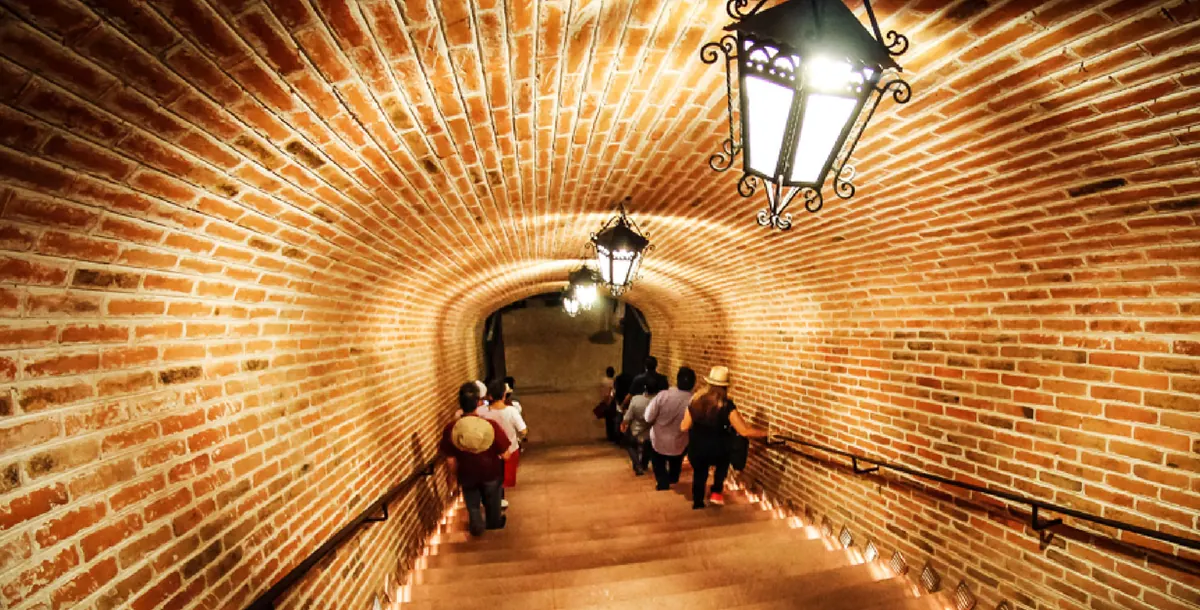
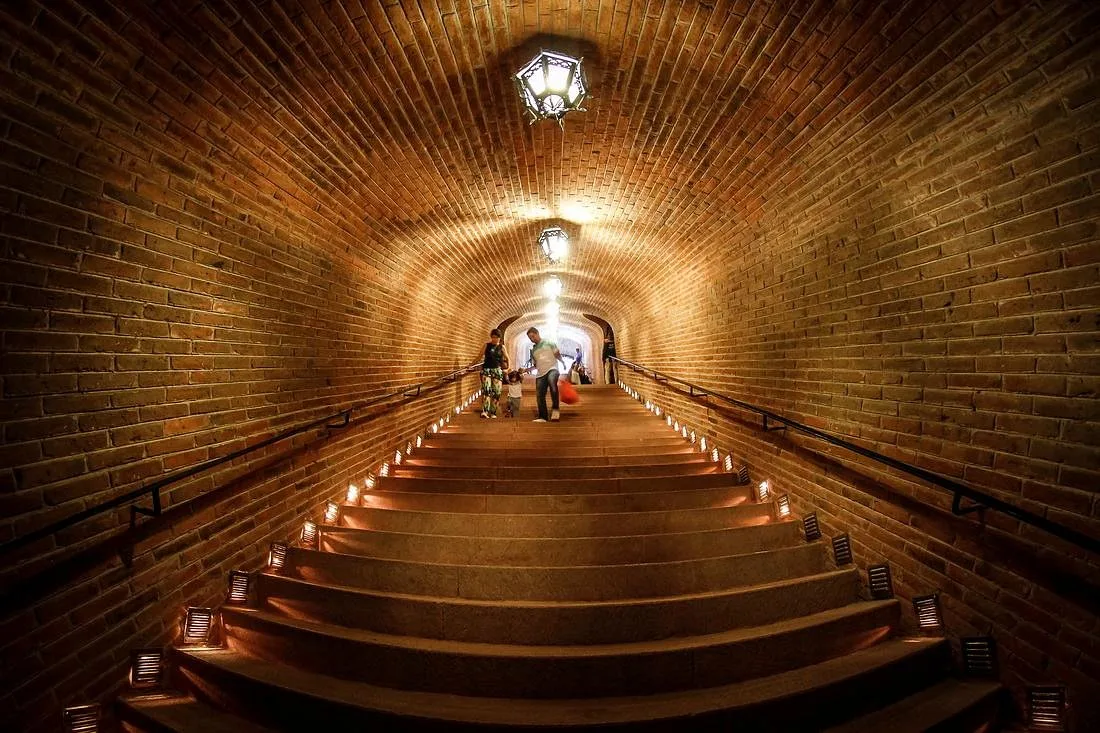
- Ezequiel Montes: Finca Sala Vivé. At km 40.5 of the San Juan del Río-Cadereyta highway. The guided tour, of about 45 minutes, goes down to the 82 ft (25 m) cellar and ends with a glass. On weekdays it departs at noon and 2 p.m., and on weekends there are several departures between 11 a.m. and 4 p.m.
- Ezequiel Montes: Viñedos La Redonda. On the road from San Juan del Río to Ezequiel Montes, the house founded in 1975 by an Italian winemaker trained in Conegliano is open every day, with vineyard and winery tours and a wine bar. The visit is booked by email at least 24 hours ahead.
- San Juan del Río: Cava 57. On the Mexico City-Querétaro highway. Tours of the vineyard and underground cellar depart Wednesday to Sunday at noon and 2 p.m. The three-label tastings are at 1 p.m., 3 p.m. and 4:30 p.m. It has a restaurant, Terruño 57.
- Tequisquiapan: San Juanito Vitivinícola. In San José de la Laja, facing the Peña de Bernal. The tour passes through the vineyard, winery and cellar and ends with a tasting of three or six labels. La Casona has five rooms among the vines.
- Tequisquiapan: Norte B. In Fuentezuelas. It serves its wines and its own beer on terraces made from shipping containers, with pairings of regional cheeses. It works if not everyone in the group is there for the wine.
- Tequisquiapan: Bodegas Jacques & Cie. It makes only traditional-method sparkling wines, in an underground cellar that, according to the press, is about 82 ft (25 m) deep. The visit is not confirmed. Its bottles are sold online and in specialty stores, and in its profile you can ask for the contact.
- Colón: Vinaltura. In Santa Rosa de Lima, with the Peña de Bernal in view. The tour among the parcels ends with a tasting, and the restaurant Envero serves facing the vineyard. Everything is booked online.
- Huimilpan: Casa Vegil. In an old hacienda south of Querétaro city. By reservation only: tram or horseback tours of the vineyard, a tasting and a pass through the cellar.
- El Marqués: Puerta del Lobo. It offers a tasting of three award-winning wines with a sommelier, of about 45 minutes, and a tour in which each guest corks and labels their own bottle. Meals are at the restaurant Ruinas.
There are more Querétaro houses with a sparkling wine in their profile. To visit several in a weekend, our guide to vineyards in Querétaro has the state's wineries by municipality, with distances and the route's cheese dairies.
Which sparkling wines are made in Guanajuato and Baja California?
Outside Querétaro, bubbles appear in fewer profiles. In the Guanajuato vineyards, two houses have a rosé sparkling wine:
- Tierra de Luz Hacienda Vinícola, on the León-Lagos de Moreno highway, makes a Rosado Espumoso of Merlot, brut, from a vineyard at about 6,500 ft (1,983 m). It is visited by reservation, with a tasting at the end of the tour.
- Bodega Dos Búhos, on the outskirts of San Miguel de Allende, makes wine only from the grapes of its certified organic vineyard, and among its labels has a traditional-method Rosé Brut. Its tour lasts about two hours and ends with a four-wine tasting. It is open Wednesday to Sunday.
In Baja California, the two houses in this guide make their sparkling wine with Chardonnay. Casa de Piedra, in San Antonio de las Minas, the winery with which Hugo D'Acosta started in 1997, has a traditional-method Blanc de Blancs brut with at least 18 months on the lees. Its tasting is requested at least 48 hours ahead and is subject to confirmation. Casa Emiliana, a family winery of 12 acres (5 hectares) in El Porvenir, bottles Bella Mia, a Chardonnay sparkling wine, and holds the tasting in the house's living room, with the owners. They ask you to write beforehand, especially on weekends.
For a first full lesson, one Saturday in Querétaro is enough, with someone in the group who does not taste and takes the wheel. In the morning, the Sala Vivé tour shows the cellar and the aging on the lees. In the afternoon, at the Cava 57 tasting, it is worth asking about its two Palomas, the Brut Nature and the off-dry, to notice in your mouth what sugar marks. Write to them beforehand to hold a spot.
Share this story with whoever travels with you.