Wine With Pan de Muerto: What to Serve at the Table and What Bottle to Put on the Ofrenda
Wine with pan de muerto: what to serve with each bread, Mexican sparkling wines with prices and how to choose the wine for the Day of the Dead ofrenda.
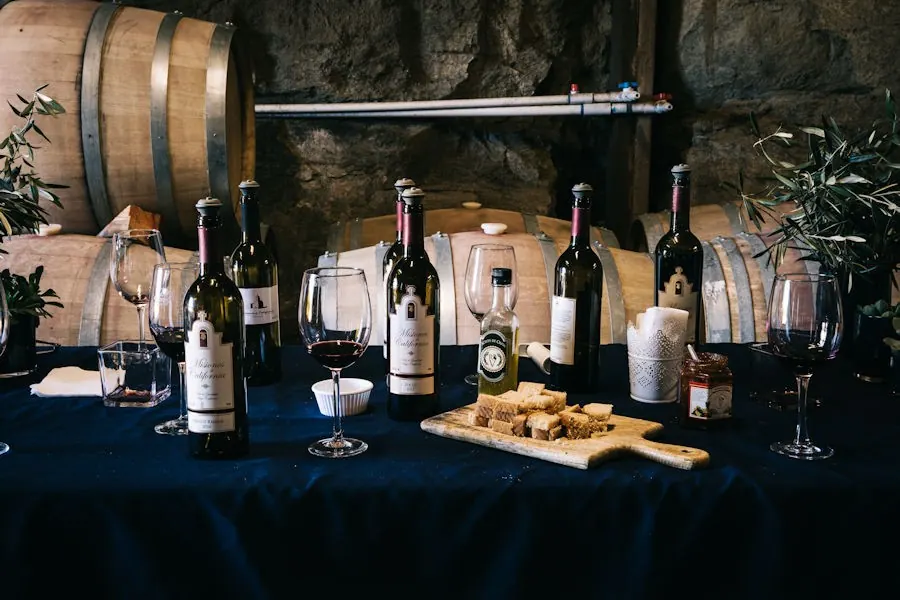
The first bite of a freshly bought pan de muerto, the sweet bread of Day of the Dead, leaves sugar on your fingers and a scent of orange blossom that stays in the kitchen all afternoon. What is missing is the glass. If you are wondering what wine to serve with pan de muerto at that table, the safest answer is a Mexican sparkling wine, and a semi-dry one when the bread comes well dusted with sugar. At the altar the rule is even simpler. The wine of the ofrenda (the altar offering) is the one the person you remember liked.
A whole season fits between the two questions. The bakeries have already put out the classic orange one, the chocolate-covered one and the cream-filled one, and each calls for a different bottle. The wineries, for their part, are preparing nights of catrinas (elegantly dressed skeleton figures), altars and tastings with legends.
What is the easiest wine to get right with pan de muerto?
Classic pan de muerto is a dough of flour, egg, butter and sugar, scented with orange blossom water or orange zest. That is how it appears in the Day of the Dead recipe book published by Mexico's Ministry of Foreign Affairs (Secretaría de Relaciones Exteriores), and those three traits, the fat, the sweetness and the floral and citrus perfume, are what you have to attend to when choosing the glass.
The Consejo Mexicano Vitivinícola (the Mexican Wine Council) has already placed its bet. In a seasonal campaign with the bakery Buñuelo y Pepe, it proposed pairing the bread with Mexican traditional-method sparkling wines, the ones that do their second fermentation inside the bottle. Its argument, as reported by the magazine The Food Tech, is in the nose. Those wines bring notes of citrus, apple, pear and white flowers, with a background of pastry or dried fruit, and the orange blossom in the bread answers them.
The second argument is chemistry, and it is the same as in our guide to pairing wine with Mexican food. The Wine & Spirit Education Trust (WSET), the British wine training school, teaches that the sweetness of a dish makes the wine feel drier, more acidic and more bitter, and that therefore the wine should be at least as sweet as what it accompanies. Pan de muerto is not a cloying dessert, but the sugar on the crust shows. From that comes a rule of thumb:
- Bread with little sugar on top: brut sparkling wine. The acidity and the bubbles sweep away the butter and leave the mouth ready for the next bite.
- Bread well dusted or with a sweet filling: semi-dry sparkling wine, which has enough sugar not to turn sour next to the bread.
- Bread covered or filled with chocolate: a sweet wine, white or red, late harvest or fortified style.
Tip
Before choosing the bottle, run a finger over the crust. If it comes away white with sugar, go for the semi-dry. If it barely shines, the brut is enough.
What wine should you serve with each kind of pan de muerto?
The bread changes by state. A piece in Expansión from October 2025 reviewed the regañadas and the yolk breads with or without sesame from Oaxaca, the hojaldra of Mexico City, with strips of dough that represent bones and white or pink sugar, and the human figures that in Guanajuato are called almas (souls). In city bakeries, besides, the bread is filled and covered. These are the pairings we propose, with wines from houses that have a listing in our directory.
Classic orange blossom and orange, hojaldra or yolk bread
This is sparkling wine territory. A traditional-method brut from Finca Sala Vivé, in Ezequiel Montes, or the Atempo Brut from De Cote Casa Vitivinícola, in the Valle de Bernal, follow the road the Council proposes. For the yolk bread, which is denser and golden, look for one aged a long time on the lees, which has more body.
If you prefer a still wine, go for a Chardonnay. The one from Casa Madero, in Parras, ages part of the wine about five months in French oak, and the house itself suggests it with creamy desserts. For the hojaldra there is another route: the Viña Doña Dolores Dulce Muscat, a late-harvest white from Sala Vivé, which the house's online store suggests with puff-pastry desserts.
Covered or filled with chocolate
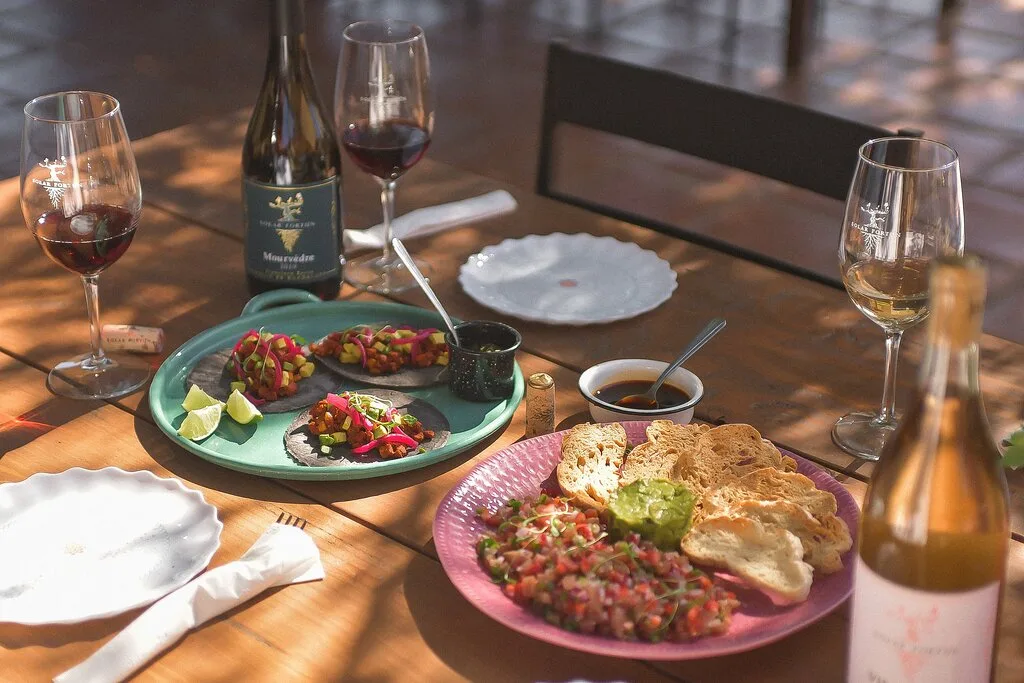
Chocolate is the hard test, because it is sweet, bitter and fatty at once. Here the WSET rule does not forgive, and the wine has to bring its own sugar. The Viña Doña Dolores Dulce Syrah is a late-harvest red. In Guadalupe Valley, Viña de Frannes makes the Duz, a natural sweet red from late-harvest grapes, according to its listing. In the Zona Media of San Luis Potosí, La Malanca (in Spanish) makes a natural sweet wine in the style of generoso fortified wines, tasted in its cellar. And De Cote keeps a sweet generoso in its cellar dug 23 ft (7 m) underground.
Filled with cream, custard or cheese
With cream, the fruit of a rosé works. The V Rosado from Casa Madero is another of the wines the house recommends with creamy desserts, and the winery advises serving it at 46 to 50°F (8 to 10°C). If you want bubbles, the Viña Doña Dolores Brut Rosé, of Syrah, Merlot and Macabeo, combines both.
Anise or pulque
For that campaign with the Council, Buñuelo y Pepe made an anise and pulque piece. Anise is an intense aroma that swallows subtle wines. A semi-dry sparkling wine or the late-harvest Muscat face it with sweetness and with bubbles or body.
Which Mexican sparkling wine should you buy and what does it cost?
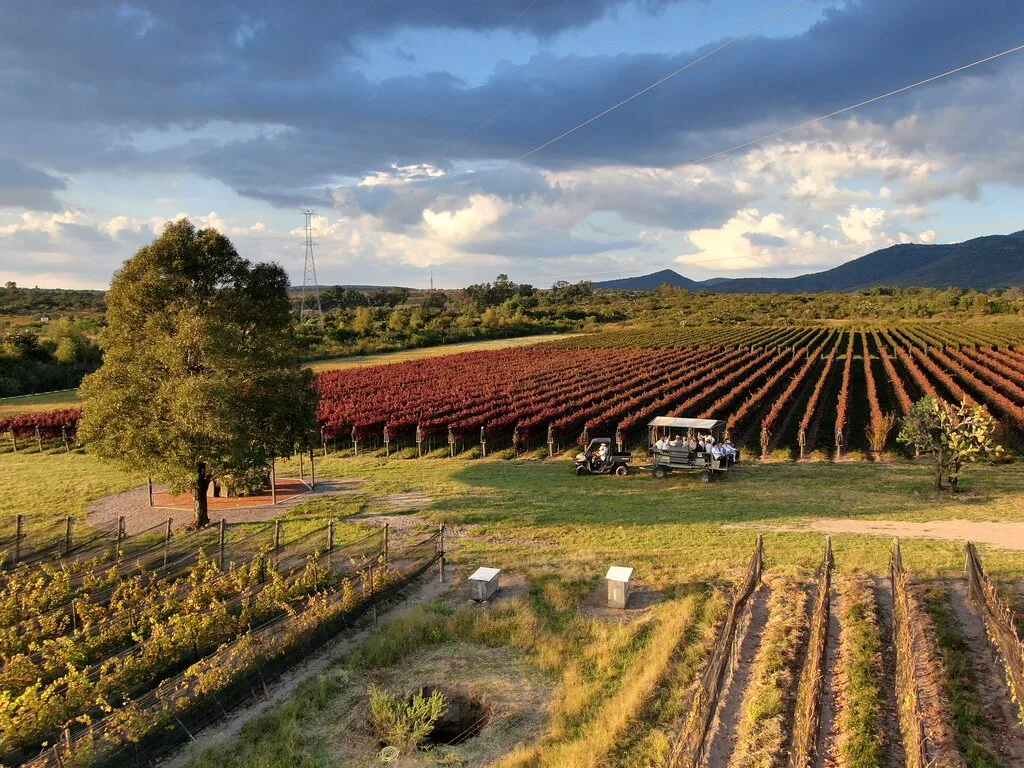
In the Querétaro region sparkling wine has a home of its own. In Ezequiel Montes, Sala Vivé makes almost all its wine with a second fermentation in the bottle and lets it rest in a cellar dug 82 ft (25 m) deep. According to its listing, the Sala Vivé line spends about 18 months on its lees, and the Brut Nature Gran Reserva from Viña Doña Dolores, between 24 and 30. These bottles suit the Day of the Dead merienda (light evening meal):
- Viña Doña Dolores Semi Seco: 339.15 pesos, and the Sala Vivé Semi Seco, 374, in the online store the winery's site points to. For the heavily sugared bread.
- Viña Doña Dolores Brut Nature Gran Reserva: 339.15 pesos in the same store. For the yolk bread or the classic with little sugar.
- Viña Doña Dolores Brut Rosé: 339.15 pesos. For the cream filling.
- Viña Doña Dolores Dulce Muscat and Dulce Syrah: 357 pesos each. For the hojaldra and the chocolate.
- Brut Nature from Puerta del Lobo: according to the listing for the Puerta del Lobo winery, in El Marqués, its 2020 vintage won Grand Gold at Sélections Mondiales des Vins Canada 2022, in Montreal.
- Champbrulé Brut, from L.A. Cetto: 216 pesos in the house's store, which describes it with aromas of green apple and tropical fruit and a touch of freshly baked bread. It is the cheapest on this list.
These are reference prices, checked on October 12, 2026 at each winery's store or at the one its site links to, and they can change. If you want to know what brut, semi-dry or brut nature mean on a label, and how each method is made, see our guide to Mexican sparkling wines.
Can you drink red wine with pan de muerto?
There are homes where the Day of the Dead merienda is red wine or it is nothing. You can, as long as the bread is not very sweet. Next to sugar, the tannins of a dry red feel rougher and more bitter, which is exactly what the WSET warns about.
Nebbiolo is a good example. L.A. Cetto launched its Reserva Privada of that grape in 1986, which it presents as the first oak-aged Nebbiolo bottled in Mexico. Its store describes it with aromas of currant, fig and cherry, a robust body and firm tannins, and it sold it for 355 pesos as of October 2026. With a bread covered in bitter, lightly sweetened chocolate, the fruit of the wine finds a partner. With a thick crust of sugar, the tannin hardens. If the grape intrigues you, our history of Mexican Nebbiolo tells what the DNA studies say.
With a very sweet bread, the red has to be sweet too, like the Duz or the Dulce Syrah we mentioned above. Watch the labels: a soft red is not the same as a sweet red, and the difference is explained in our guide to soft and sweet reds.
How do you choose the wine for the Day of the Dead ofrenda?
The tradition does not ask for a particular wine. The Day of the Dead guide from the Ministry of Foreign Affairs lists liquor among the elements of the altar and describes it like this: botellitas de tequila, pulque, mezcal, etc. o según el agrado del difunto (little bottles of tequila, pulque, mezcal and so on, or according to what the deceased liked). The same publication explains why food and drink are set out: the dead come to nourish themselves on the essence and scent of the food.
So the useful question is what that person drank. If they were a wine drinker, the answer is in your memory. The label they always bought, the grape they ordered at the restaurant, the bottle opened at family parties. If there is no wine of theirs, think of their homeland. A red from Parras for the grandfather from Coahuila, one from Guadalupe Valley for the aunt from Ensenada, a sparkling wine from Querétaro for the one who toasted to anything.
Mind the calendar too. According to the Mexican government account collected by Expansión, October 28 remembers those who died tragically, October 30 and 31 the children who died unbaptized, November 1 the children and November 2 the adults. Wine, like tequila or mezcal, goes on the adults' ofrenda. On the children's, alcohol has no place.
Do you pour the ofrenda glass or leave the bottle closed?
Both make sense. If the dead take the scent, a poured glass delivers it to them. Pour little, a couple of fingers, in a glass or tumbler that will not tip over among the flowers and votive candles, and leave the bottle closed to one side. An open wine left for days beside lit candles loses freshness quickly, because air and heat oxidize it. The timings by style are in our guide to how long an open bottle lasts.
The little bottles of the tradition also exist in Mexican wine, and on a narrow altar they take up less room:
- Sala Vivé Brut, 375 ml: 226.10 pesos at the online store the winery links to, as of October 2026.
- Viña Doña Dolores Semi Seco, 375 ml: 242.25 pesos at the same store.
- Petite Sirah from L.A. Cetto, 187 ml: 60 pesos at the house's store.
That leaves the end of the visit. Expansión reviewed the two most common versions: the Catholic belief that the dead leave on November 3 at midnight, and another that says they depart on the 2nd at three in the afternoon. On eating what sat on the altar, some believe the dead have already taken its essence and others prefer not to waste it, as long as the food is still in good condition. With wine the answer is easy. The glass that spent days in the open air is not drunk. The closed bottle is opened for a toast to the person who inspired it.
Tip
Keep the closed bottle away from the votive candles and the sun from the window. The day you take down the ofrenda, open it at the table with the leftover bread and tell a story about the person it was for.
Where can you celebrate Day of the Dead with wine in 2026?
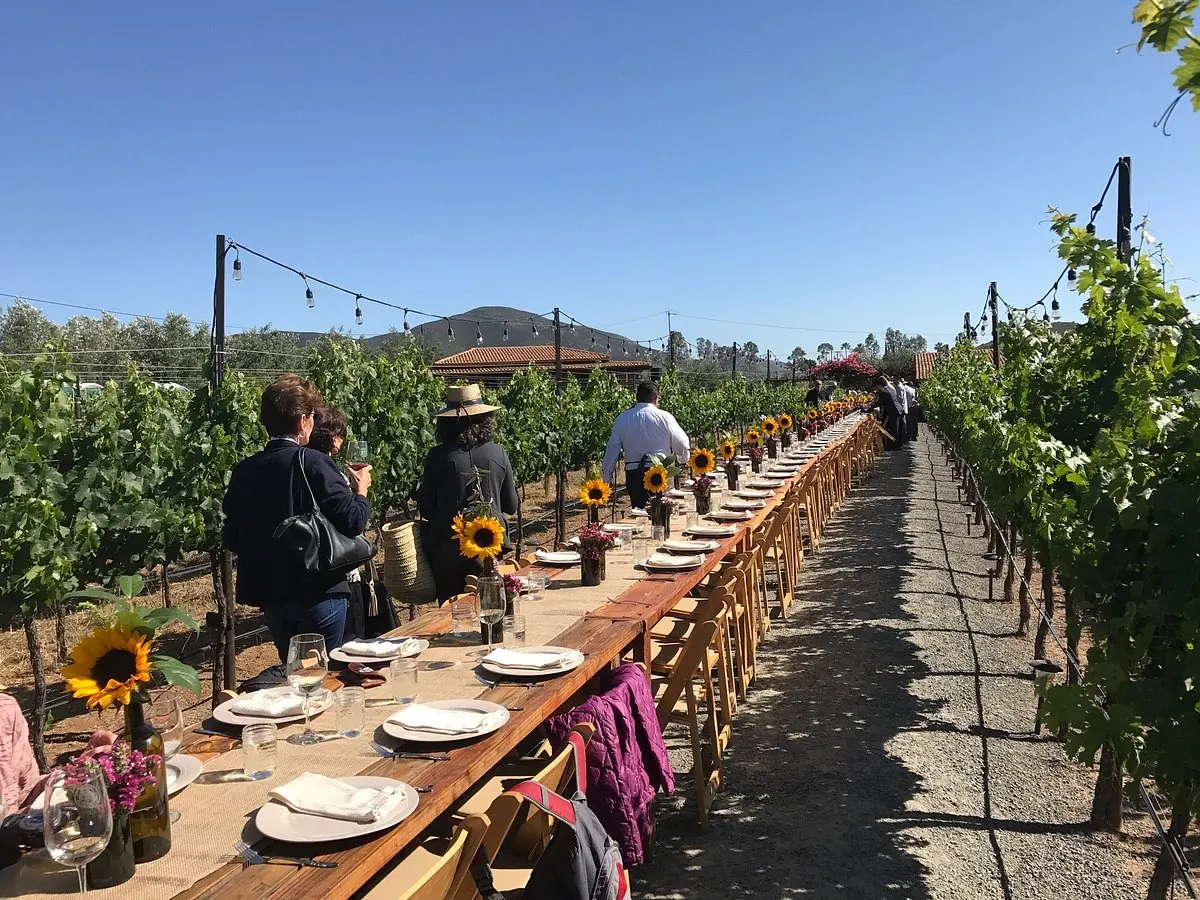
If you would rather have someone else set up the altar and the glasses, this season's calendar has several Day of the Dead nights among vineyards. The details are those of our events calendar, and it pays to confirm schedules and tickets before you go:
- October 30, Ensenada. The Noche de Catrinas de Provino (Provino's Night of the Catrinas), in the Sala de Tintos at Bodegas de Santo Tomás, builds an altar in memory of figures of Baja California wine and pours more than fifty labels. The ticket costs 800 pesos.
- October 31, Guadalupe Valley. El Festín de las Ánimas (the Feast of the Souls) has five wineries and five restaurants compete in pairings voted on by the public, at Parra del Valle Hotel Boutique. It costs 1,620 pesos per person.
- October 31, Ezequiel Montes. The Noche CempasuChill de Sala Vivé (Sala Vivé's Marigold Night) runs from dusk to midnight, with catrinas, alebrijes (colorful carved fantasy figures) and bonfires. In the first phase, the adult ticket cost 990 pesos with a glass and two tastings.
- October 31 and November 1, Parras. Día de Muertos en Bodega Amonites (Day of the Dead at Bodega Amonites) offers a lit labyrinth that leads to an altar where anyone can leave a photograph, with house wine, antojitos and pan de muerto. The date is still to be confirmed.
- Weekends in November, El Marqués. Vinos & Leyendas en Puerta del Lobo (Wines and Legends at Puerta del Lobo) pairs three house wines with typical Day of the Dead sweets and Mexican legends, for 550 pesos per person.
The rest of the fall, with harvest festivals and fairs, is in our October and November calendar. Cities and Wines of Mexico does not sell tickets or take reservations: each house manages its own capacity.
The bread's pairing, with the serving temperature and the glass for each style, is also in our pairing guide (in Spanish).
This week, when you pass the bakery, ask for the classic piece and pick up a semi-dry sparkling wine at the same time, the safest bet on this list. The bottle for the altar, on the other hand, look for first in your memories and then in the store.
Share this story with whoever travels with you.