Mexican wines and grapesQuerétaroBaja California
Mexican Sparkling Wines: Brands, Regions and Prices to Help You Pick Your Bottle
Buying guide to Mexican sparkling wines: traditional-method houses in Querétaro, Guadalupe Valley and other regions, with prices from October 2026.
In December, the wine aisle can be spotted from far away by the shine of the gold capsules. Facing that row of bottles the same doubt always comes up: which of all the Mexican sparkling wines deserves the toast, how much should you pay for it and what sets it apart from the bottle next to it. The short answer has an address. The wineries of Querétaro account for a good part of the country's traditional-method sparkling wine, the kind that does its second fermentation inside the same bottle, and in October 2026 a serious bottle from there cost from about 340 to about 1,250 pesos.
This is the buying guide. The theory, meaning how the bubble is born and what brut nature or semi-dry means, is in our guide to sparkling wine styles and labels. Here come the houses, their labels, what each costs and which one suits which table.
The prices are an approximate reference. We took them in October 2026 from each winery's online store or from a specialty store with the page open, and they move with the end-of-year promotions. Cities and Wines of Mexico does not sell wine or reserve visits.
Why are Querétaro's sparkling wines the starting point?
Because the state's own trade body presents Querétaro as Mexico's first producer and exporter of sparkling wine. In August 2023, the president of the Clúster Vitivinícola de Querétaro (the Querétaro wine-industry cluster), Eusebio Goyeneche, estimated in an interview with Vinetur 1.5 million bottles of sparkling wine a year, out of about 4 million bottles of wine of all types. It is an industry figure, not an official census, and it works as an order of magnitude.
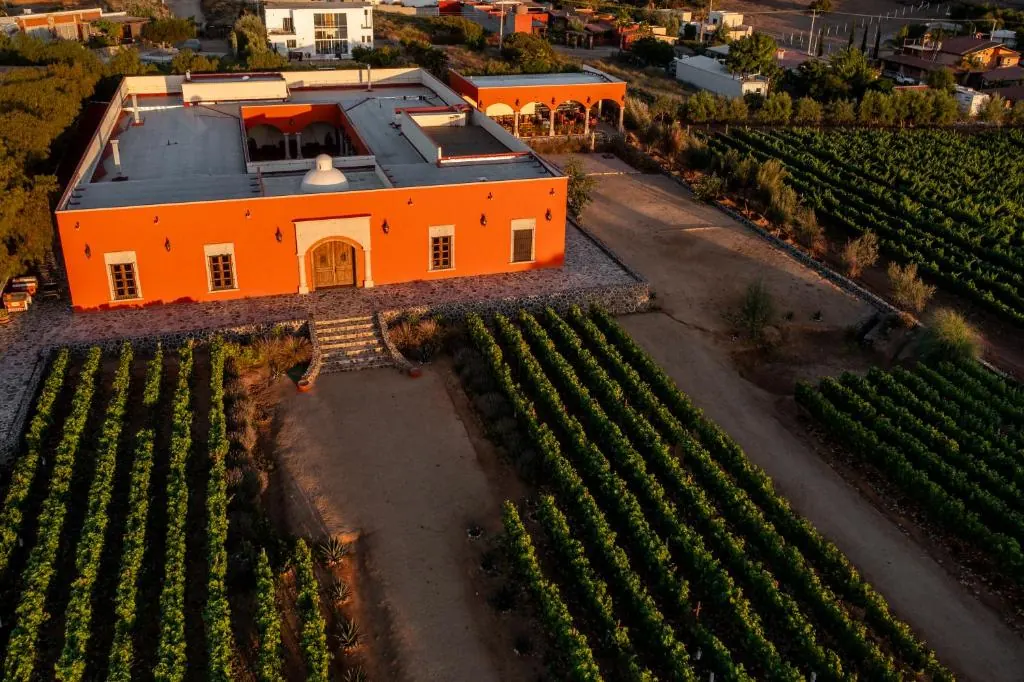
The story begins in Ezequiel Montes. In the late 1970s, the Ferrer family, of Freixenet, bought the estate there that Sala Vivé came from, and in 2017 the press was still pointing to it as the region's main producer. Small houses grew up around it that also bet on bubbles. Since March 2025, the state's wines also carry the geographical indication Vinos de la Región Vitivinícola de Querétaro (Wines of the Querétaro Wine Region), the first for Mexican wine, declared by the IMPI (Mexico's Institute of Industrial Property) in the Diario Oficial de la Federación, the official gazette.
Before buying it helps to be clear about the three roads to the bubble. The traditional method does the second fermentation in the bottle and leaves the wine for months on its lees, the dead yeast that gives it bread aromas. The tank method is faster and keeps the fruit fresh. The ancestral method, which on labels usually appears as pét nat, is bottled before it finishes fermenting and tends to come out cloudy. Almost everything that follows is of the first. The third has a guide of its own: the one on Mexican pét-nats.
Which Querétaro sparkling wines should you buy and what does each cost?
Finca Sala Vivé: Sala Vivé and Viña Doña Dolores
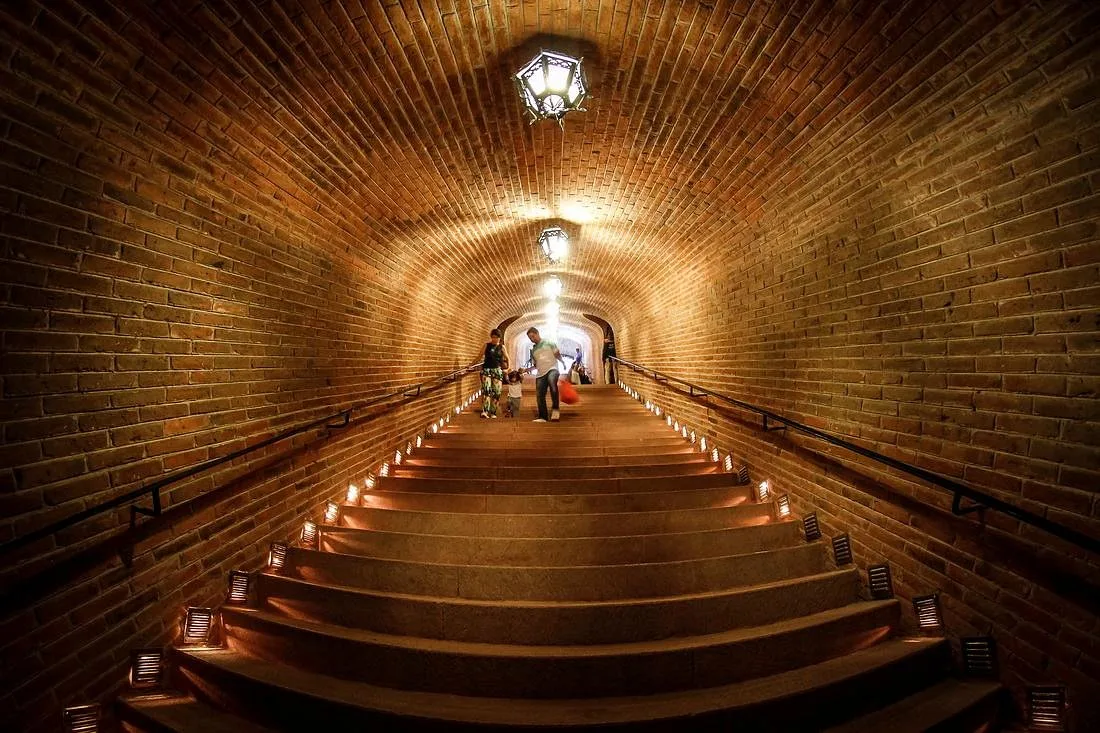
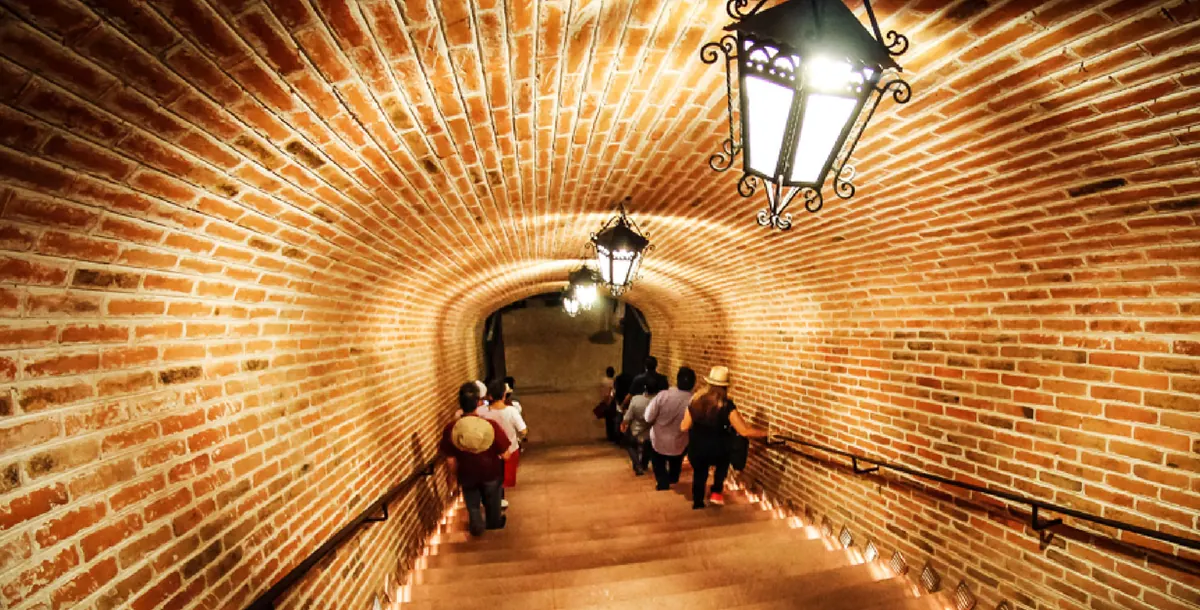
Finca Sala Vivé makes almost all its wine by the traditional method and keeps it in a cellar dug 82 ft (25 m) underground. It has two families of labels. The Sala Vivé line spends about 18 months on its lees and comes in Brut, Brut Rosé and Semi Seco. Viña Doña Dolores, of Macabeo, Xarello and Ugni Blanc, runs from the Brut Nature Gran Reserva, with 24 to 30 months of aging, to the Dulce, and adds a Chardonnay Brut Nature and a Brut Rosé of Syrah, Merlot and Macabeo.
The buy button on its site leads to the Club Cuvée store. There, in October 2026, the Sala Vivé line had a list price of 440 pesos and Viña Doña Dolores of 399, both with a seasonal discount, at 374 and 339.15 pesos. Note that the house's bottle with the most time on the lees, the Brut Nature Gran Reserva, is not the most expensive.
Cava 57: the Palomas family
Cava 57, in San Juan del Río, has made sparkling wines, reds and whites since 2014 and keeps its bottles in an underground cellar. Its sparkling brand is Palomas, which its site presents in three versions: Brut Nature, with no added sugar, Brut and Semi. At Mercado de Vinos, the Palomas Semi cost 665 pesos in October 2026. How to get there, what the tasting includes and when it opens are in our story on Cava 57.
Bodegas Jacques & Cie: bubbles only
Bodegas Jacques & Cie, in the Tequisquiapan valley, bottles only traditional-method sparkling wines. Its Brut, of Macabeo, Xarello and Parellada, and its Extra Brut, both from the 2023 harvest, won silver medals at the Concours Mondial de Bruxelles 2025. At its online store, in October 2026, the Brut and the Néctar, the house's sweetest, cost 585 pesos, and the Brut Rosé, 610. We did not find an official channel for visits. On its listing you can request the contact details.
Casa Vegil: Fügi, the long aging
In a colonial hacienda in Huimilpan, Casa Vegil grows Chardonnay and Pinot Noir, two of the Champagne grapes, and with them makes Fügi, a traditional-method sparkling wine with 30 months on its lees, signed by winemaker Fernando Cortés. It is the longest aging in this guide, on a par with Doña Dolores's Gran Reserva. In October 2026, its online store sold it by the case of six, at 7,500 pesos, about 1,250 per bottle. According to its listing, the visit is by reservation only.
Vinaltura: the Bajío family
In Colón, with the Peña de Bernal in view, the Vinaltura winery groups its sparkling wines in the Bajío family. The Espuma Bajío Blanc de Blancs, half Chardonnay and half Chenin Blanc, and the Espuma Rosé, of Syrah and Chardonnay, are made by the traditional method and spend 18 months on the lees. Among its special editions there is a sparkling Gewürztraminer in two versions, traditional and ancestral. In October 2026, the Rosé cost 740 pesos at the house's store and the Blanc de Blancs, 758 at Mercado de Vinos.
De Cote, Vaivén and La Redonda
De Cote Casa Vitivinícola, in the Valle de Bernal, brings its sparkling wines and its freshest wines together under the Atempo brand: an Atempo Brut white and a Brut Rosé. Its site marked them with a list price of 590 pesos, and at Mercado de Vinos the Rosé was at 629, in October 2026.
Bodegas Vaivén, in Ezequiel Montes, organizes its range by lines, and the sparkling one is called Impulso. The Impulso Brut Natura, as the store lists it, cost 484 pesos at Mercado de Vinos in October 2026.
Viñedos La Redonda, also in Ezequiel Montes, signs with the Orlandi brand. According to its listing, its sparkling wines are traditional method, with Macabeo and Chardonnay from its own vineyard, and the semi-dry rests 12 months in bottle. Its site was being updated and showed no prices.
Other Querétaro houses have bubbles of their own in shorter runs. Norte B, in Tequisquiapan, makes Libélula, a Brut Reserva with long aging, and a sparkling rosé. San Juanito bottles a Malbec rosé by the traditional method, and Puertas de la Peña, in Bernal, one made only from Syrah. María & Bernardo, in El Marqués, sells a Xarello sparkling wine in its store, Puerta del Lobo has a brut nature and Viñedo La Revuelta, in Tequisquiapan, makes La Reflexión, its sparkling wine. Tierra de Alonso, in Colón, makes sparkling wine in short runs, and Château Galindo, the vineyard of a hotel in San Juan del Río, sells its own only there.
Which Mexican sparkling wines are there outside Querétaro?
Fewer houses, but some of the most ambitious bottles. In the vineyards of Baja California, Casa de Piedra, in San Antonio de las Minas, makes the Espuma de Piedra line by the traditional method, with at least 18 months on the lees and in brut style: Blanc de Blancs, Blanc de Noirs and Rosado. They are among the most expensive bottles in this guide. In October 2026, the Blanc de Noirs and the Rosado cost 1,148 pesos at Mercado de Vinos.
In Guadalupe Valley, Vinícola Bajalupano has a Brut Nature that the same store sold for 974 pesos. Casa Emiliana makes Bella Mia, of Chardonnay, Mina Penélope a sparkling wine of Aglianico and Clos de Tres Cantos a Brut Nature and a Pét Nat.
In Los Altos de Jalisco, Altos Norte Vinícola, in Encarnación de Díaz, ferments with wild yeasts and makes traditional-method and ancestral sparkling wines. Its Bruto de Tempranillo 2021 won gold at México Selection by Concours Mondial de Bruxelles 2022, and the Bruto Albariño 2022 won Grand Gold the following year, the first for a Jalisco wine according to the competition itself. The Bruto Cero 2024 cost 900 pesos at its store in October 2026. Nearby, in Lagos de Moreno, Tierra de Luz bottles a Merlot sparkling rosé brut.
- Guanajuato. Bodega Dos Búhos, in San Miguel de Allende, makes a traditional-method sparkling rosé, and Viñedos San Lucas, in the same area, a Pinot Noir sparkling wine.
- Coahuila. Casa Madero rounds out its range with a sparkling wine. In October 2026 it did not appear in its online store, so it is worth asking in Parras.
- San Luis Potosí. Parras del Altiplano, in Venado, sells traditional-method sparkling wines in its store, and Cava Quintanilla includes one in its Nicole line.
How much do Mexican sparkling wines cost in 2026?
With the prices we saw in October 2026, national traditional-method bubbles fall into three bands:
- Up to 500 pesos. Viña Doña Dolores (399 list), Sala Vivé (440 list) and Vaivén's Impulso Brut Natura (484). It is the entry door to the traditional method, with agings of 18 months or more in the case of Sala Vivé.
- From 500 to 800 pesos. Jacques Brut and Néctar (585), Jacques Brut Rosé (610), Atempo Brut Rosé (629), Palomas Semi (665) and Vinaltura's Bajío family (740 and 758).
- Over 800 pesos. Altos Norte's Bruto Cero (900), Bajalupano Brut Nature (974), Espuma de Piedra (1,148) and Fügi (about 1,250 a bottle in a case of six).
Why such distance between one and another? Part of the answer is time: each month on the lees is a month the bottle occupies the cellar without being sold, and 30 months weigh more than 18. Another part is the size of the run and the taxes that every national wine carries, which we explain in why Mexican wine costs more. To compare fairly, put two bottles of the same style side by side and look at the months on the lees, which are what add bread aromas.
Tip
December prices move with promotions. If you are buying for a big dinner, ask about the case: Casa Vegil, for example, sells Fügi by the case of six at its online store, and at other houses the volume discount appears in the cart.
Brut nature, brut or semi-dry: which to buy for each occasion?
Sugar decides more than the brand. A brut nature has no sugar added after disgorgement, a brut has very little and a semi-dry already tastes sweet. With that scale in mind, here are bottles from this guide for each moment:
- To welcome guests and toast at midnight: a brut or a brut nature, dry and easy with snacks. Palomas Brut Nature, Jacques Brut or the Brut Nature Gran Reserva from Doña Dolores.
- For the Christmas table: a rosé brut, with fruit for the turkey and freshness for the bacalao (salt cod). Sala Vivé Brut Rosé, Jacques Brut Rosé, Atempo Brut Rosé or the Espuma Rosé from Vinaltura.
- For dessert or for those who do not drink dry: a semi-dry or a sweet one, with buñuelos or sweet salads. Sala Vivé Semi Seco, Palomas Semi, Jacques Néctar or Doña Dolores Dulce.
- To give to someone who already knows wine: a long aging or a rarity. Fügi and its 30 months on the lees, the Espuma de Piedra Blanc de Noirs, a Bruto from Altos Norte or the sparkling Gewürztraminer from Vinaltura.
- For a big party: the band under 500 pesos, with a brut for the toast and a semi-dry for the cake.
If the sparkling wine is going to accompany the whole dinner, from the toast to dessert, our guide to wines for the Christmas dinner lays out the styles dish by dish, from the bacalao to the recalentado (the next-day reheated leftovers).
How do you recognize a traditional-method Mexican sparkling wine on the label?
On the same shelf live Spanish cavas, Italian proseccos and national sparkling wines, sometimes at similar prices. Five clues so you do not get it wrong:
- Look for the method. Método tradicional, fermentado en botella or champenoise, the name NOM-199 uses for the process in which everything happens inside the same bottle.
- Look for the months on the lees. In this guide, 18 months is the figure that repeats most, and 24 to 30 is already long aging.
- Look for the mention vino mexicano. According to NOM-199, it corresponds to a wine from 100% Mexican grapes, fermented and bottled in the country.
- Look for the sugar. Brut nature, extra brut, brut, semiseco or dulce, almost always on the front label.
- Be wary of the word gasificado (gasified). Gasified wine receives its gas from outside and the standard does not consider it sparkling.
If you are still unsure, the country of origin and the name of the responsible party are on the back label, as our guide to reading a wine label explains.
Where can you buy Mexican sparkling wines and where to try them first?
Online, several houses sell directly: Jacques, Casa Vegil, Vinaltura and Altos Norte have a store on their site, and Sala Vivé points to Club Cuvée. At specialty stores such as Mercado de Vinos, a single search brings together several of the houses in this guide, from Querétaro to Baja California. Department stores also carry Querétaro labels, but in October 2026 we could not open their pages to confirm prices.
Trying them at the winery has another advantage, because the glass teaches the difference between a brut nature and a semi-dry better than any label. At Sala Vivé, the guided tour of about 45 minutes goes down to the cellar and ends with a glass, according to its listing. At Cava 57, the tastings bring together three labels. And in Tequisquiapan, Norte B and San Juanito serve their wines at the winery itself. To plan the weekend, our guide to Querétaro vineyards organizes the houses by municipality, with the cheese makers on the route.
Tip
If you buy at the winery and drive home, carry the bottles in the cabin and not in the trunk, where heat punishes them. At home, store them lying down in the coolest corner and put them in the refrigerator a few hours before opening.
For December 24 and 31, do your buying in November. From the list above, choose a style for each moment of the night, order the case directly from the winery and set aside a long-aged brut nature, like the Gran Reserva from Doña Dolores, for the midnight toast.
Share this story with whoever travels with you.