Parras de la Fuente Wineries: The Houses You Can Visit, Where to Sleep and a Two-Day Plan
Parras wineries open to visitors, from Casa Madero to the high-altitude vineyards: what each offers, where to sleep, getting there and a two-day plan.

On the road that comes down from La Paila, the semidesert does not change for miles: scrub, brown hills, the mountains in the distance. Then the nut trees appear, the first rows of vines and the Hacienda de San Lorenzo, 6 miles (9 km) before town. That is how you enter the wineries of Parras, in southern Coahuila: a house born from a royal land grant of 1597, 19th-century cellars that sell their wine in the center of town and new vineyards that climb to about 6,900 ft (2,100 m) and already send their reds to the Concours Mondial de Bruxelles (the Brussels World Competition) and to French competitions.
This guide, redone in October 2026, gathers the Parras de la Fuente houses that receive visitors, each with what its profile says, and adds the town, how to get there, when to go and a two-day plan. The 2023 version carried prices and hours that we can no longer confirm. Only the ones the houses themselves publish remain here. Cities and Wines of Mexico does not take reservations. You request each appointment from the winery itself.
Why is Parras called the cradle of wine in the Americas?
Because of a dated document. The valley owes its name to the wild vines that the first settlers found next to its springs, and there, on August 19, 1597, the governor of Nueva Vizcaya granted Lorenzo García, with authorization from Philip II, lands and permission to plant vines and make wine and aguardiente. The Hacienda de San Lorenzo was born from that land grant. In 1598 the mission of Santa María de las Parras was founded, the origin of the town. After thirteen owners, in 1893 Evaristo Madero, grandfather of Francisco I. Madero, bought it. Today it is Casa Madero, which, because of that land grant, presents itself as the oldest winery on the continent.
In town another date circulates, 1593, with a winery attributed to Francisco de Urdiñola and the name of the Marqués de Aguayo. But the marquisate was not created until 1682, and for that winery there is no document comparable to the land grant. The full discussion, with the missions of Baja California and the revival of the 1980s, is in our history of wine in Mexico.
What distinguishes Parras is that its layers are still open. In 1865, the English engineer Fernando Chapman built the winery of the Antigua Hacienda de Perote. In 1891, a Neapolitan winemaker founded Bodegas El Vesubio in the center, and in 1969 Bodegas Segovia Fuantos was born across from the Alameda. Since 1998, when the Rivero González family began growing what is today the RGMX winery, the valley has added young houses such as Casa Náufrago, from 2017, with four golds at the 2025 Concours Mondial de Bruxelles.
Which Parras wineries can you visit?
Thirteen houses in the municipality receive visitors, according to their profiles, verified between September and October 2026. For two others we have not yet confirmed visits. They are, with the rest of the state, among the Coahuila wineries.
The 1597 hacienda and the cellars of the center
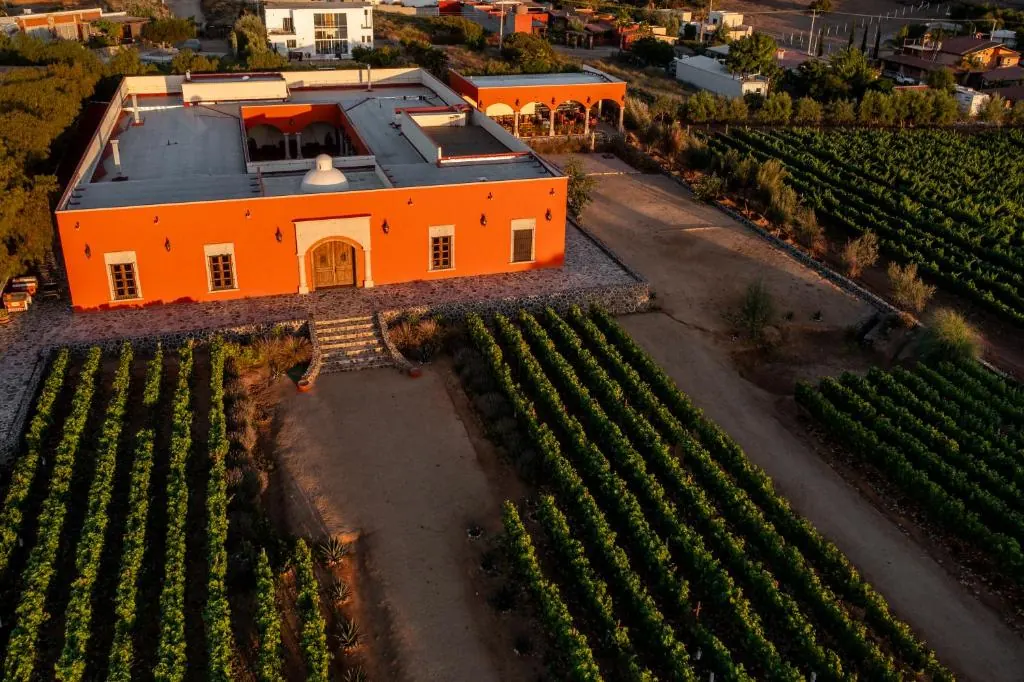
- Casa Madero. At km 18.5 of the Paila-Parras highway. The tour, of about 45 minutes, enters the oldest areas of the winery, with presses from 1808 and barrels more than half a century old. The tasting, of about 30 minutes, pours three labels: a white or rosé, a Reserva and a Gran Reserva. According to the house, the 2023 vintage of its 3V, of Cabernet Sauvignon, Merlot and Tempranillo, was chosen best Mexican wine at the French competition Citadelles du Vin. The shop is open every day from 10 a.m. to 6 p.m. Tours and tastings have their own schedule.
- Antigua Hacienda de Perote. West of town, the old main house keeps Chapman's cellars, with barrels and old crushing tools. The grapes are crushed in July and August and come out as wine and aguardiente. Among its wines is El Barón de Parras, an off-dry red. It has been a hotel since 1992, and tours are requested at the front desk.
- El Vesubio. On Calle Francisco I. Madero, at the corner of Viesca. It was founded by Nicolás Nicolielli Caruso, of Naples, and in 1935 Nicolás Milonás, a Greek winemaker, took it over. It makes fortified wines, table wines and altar wines, and the Milonás, a grape wine with nut. It is open Monday to Saturday from 10 a.m. to 7 p.m. and Sunday from 10 a.m. to 5 p.m. Ask about tours beforehand.
- Segovia Fuantos. It remains in the hands of the founding family and makes a sweet red of Lenoir, a grape with a long history in the region, plus a sherry-style wine, a sweet clarete (light red), liqueurs and preserves, which are bought at its shop across from the Alameda.
The valley houses
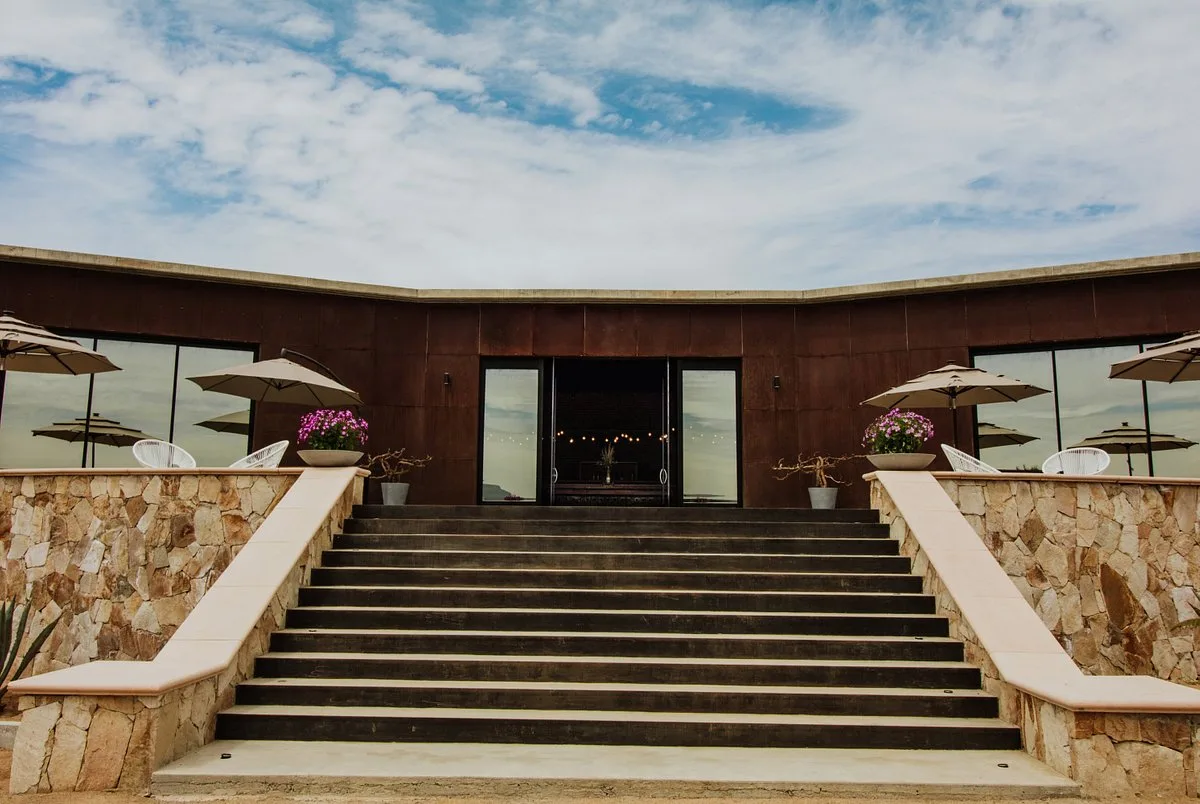
- Vinícola Parvada. Born in 2017 at km 1 of the road to General Cepeda, and since 2018 the winemaking has been led by the Spaniard Lucía García Alonso. Its Reserva 2018, of Cabernet Sauvignon, Syrah and Tempranillo, won a Grand Gold at the 2022 Concours Mondial de Bruxelles. It grows Caladoc, a cross of Grenache and Malbec that, according to the house, only it works in the valley, and uses it in the Cardenal, its young red. The tour with tasting, traditional or premium, is booked on its site. In the complex are the restaurant Nido Kitchen and a hotel.
- RGMX. On Calle Buena Fe, among vines and nut trees, the Rivero González family ferments with native yeasts and presents itself as a pioneer of orange wine and of white wine from red grapes, which here is Cabernet Sauvignon. The Recorrido RG leaves by tractor through the vineyard, winery and barrel room and ends with three wines and a board of local products. There is also a workshop to make your own blend and meals in the vineyard, all by reservation.
- Casa Náufrago. Of a property of about 250 acres (100 hectares), about 100 acres (40 hectares) are planted to vines, with the winemaker Francisco Rodríguez at the helm. By reservation, the visit tours the vines by tractor and ends in a tasting led by its sommelier, with a charcuterie board.
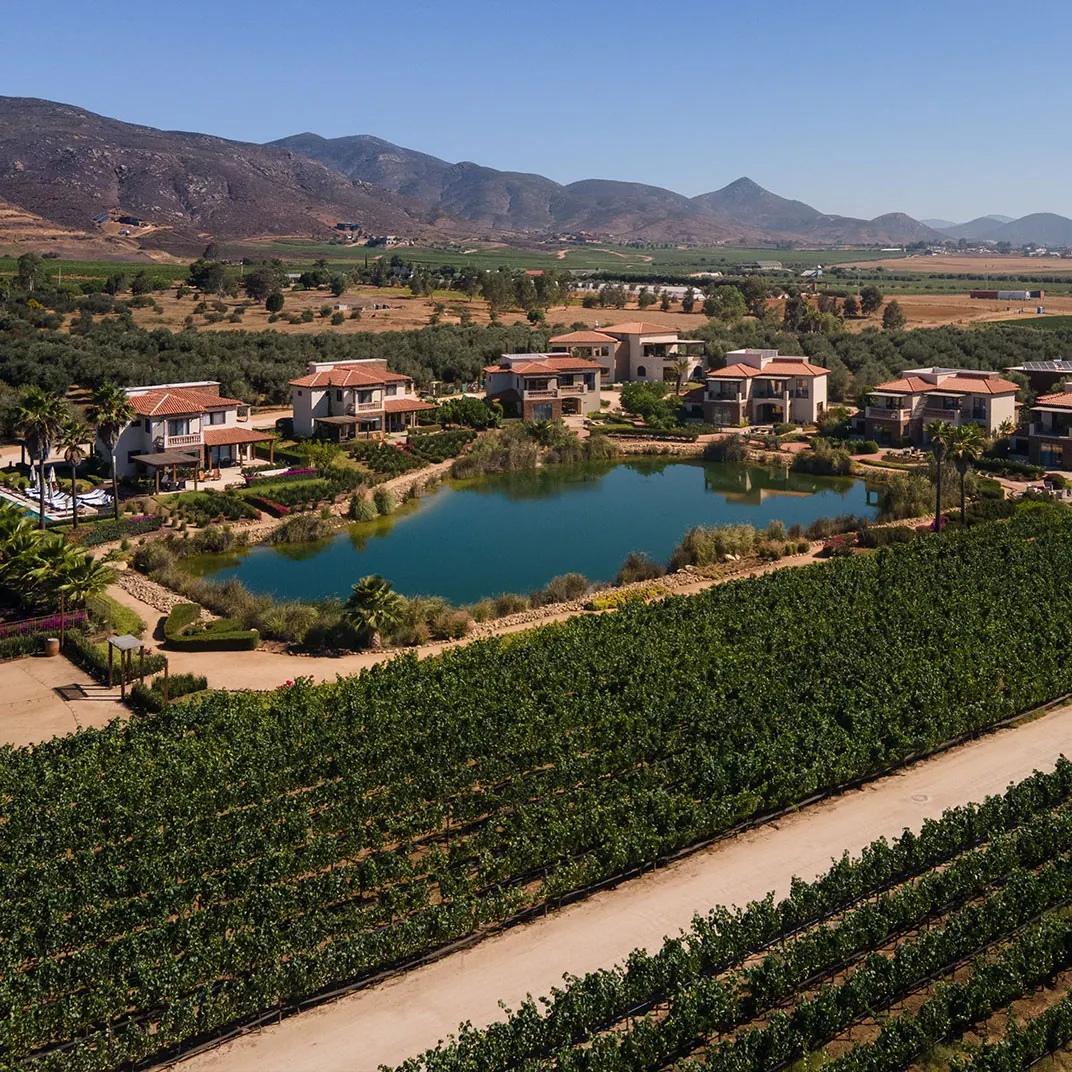
- Hacienda del Marqués. The Madero Ruiz family founded it in 2010 among nut trees, with Cabernet Sauvignon, Shiraz, Merlot and Malbec. Its Huno line is varietals with American oak. It receives visitors with a tour of the nut orchard and vineyard, a tasting and a restaurant, and is part of the state route Vinos y Dinos (Wines and Dinos).
- Bodega Barro Viejo. It makes wine at the Ex Hacienda La Soledad, an estate from the days of the Revolution. Enrique Salinas founded the winery in 2008, and its red 5 Cielos is named for the family's five daughters. The tour, by reservation, passes through the vineyard, winery and barrel room and ends with three wines and cured meats.
- Las Pudencianas. It carries the name of Pudenciana Madero, daughter of Evaristo Madero, and that of the three daughters of Eduardo Narro, its owner. It makes reds in small lots, with hand harvesting, and by appointment offers a guided tasting and Vino Creación, a workshop from which you leave with your own blend bottled and labeled.
The high-altitude vineyards
- Camino Corazón. In the ejido (communal farming community) Los Hoyos, in the Altos de Parras, at more than 4,900 ft (1,500 m), Juan Jesús Padilla planted about 12 acres (5 hectares) in 2009. Today there are about 91 acres (37 hectares), and since 2018 his family has run the house. It separates a young, barrel-free line from the blends Brújula and Atempo. Its casual experience, of about 90 minutes, combines a tour and a four-wine tasting with cured meats. There is also a pizza workshop in the vineyard.
- Viñedo Don Perfecto. At km 2.5 of the Parras-General Cepeda highway, at about 5,400 ft (1,650 m). The project began in 2017, with vines brought from France, and today it bottles six wines, from the rosé to a Syrah Gran Reserva that, according to the house, spends 24 months in barrel. Tastings and visits, by appointment.
- Viñedos Don Leo. Its vineyard grows at about 6,900 ft (2,100 m) in the Valle del Tunal, within the municipality, and from there came the Gran Reserva 2013, trophy for best Cabernet Sauvignon at the 2020 Concours International des Cabernets, in France. The tour of vineyard and winery lasts about 90 minutes and ends with three wines and charcuterie on the terraces, which also serve brunch and pairing dinners. By reservation and with limited capacity.
Tip
Group your visits by road. Parvada, at km 1, and Don Perfecto, at 2.5, are on the road to General Cepeda. Casa Madero is on the way on the road from La Paila, and the two cellars in the center are toured on foot. Don Leo, in the Valle del Tunal, deserves a separate half day.
What do you need to reserve before going?
In Parras almost everything is visited by appointment. According to the profiles:
- Reservation required: RGMX, Casa Náufrago, Barro Viejo, Camino Corazón, Las Pudencianas, Don Perfecto and Don Leo.
- Reservation recommended: the Parvada tour, which is booked on its site, with 10 minutes to spare at the shop, and the visit to Hacienda del Marqués.
- Hours to be confirmed: the Casa Madero tour and tasting, and the Perote tours.
- No appointment, during hours: the Casa Madero shop, El Vesubio and the Segovia Fuantos shop.
- Groups only: the Casa Madero pairing meal, for 4 to 8 people, and lodging at its hacienda, from ten rooms, according to the house. Barro Viejo hosts groups of up to 16.
- The transfer, if nobody in the group is going to skip tasting.
What else can you do in Parras besides tasting?
Parras has been a Pueblo Mágico (a designation for towns of special tourist appeal) since 2004, and between visits the town offers an afternoon on foot:
- El Santo Madero. The chapel that crowns the Cerro del Sombreretillo, north of town, on an old volcanic plug, was built between 1868 and 1880. You climb it on foot by a staircase.
- El Estanque de la Luz. Half a mile (1 km) from the Plaza de Armas, this 19th-century pond is fed by a spring and works as a public bathing spot. In March 2026 the local press reported it ready to receive visitors.
- Madero's land. Francisco I. Madero, president of Mexico from 1911 to 1913, was born in Parras on October 30, 1873. His surname is on the hacienda his grandfather bought and at Las Pudencianas, which recalls one of his aunts.
- The nut orchards. The nut is the other traditional crop of the valley. It grows among the vines at Hacienda del Marqués and RGMX, and El Vesubio mixes it with grape in its Milonás.
- A local guide. Nikaui Experiencias Turísticas, a Parras agency, arranges vineyard tours, the Vinos y Dinos route and custom trips, and runs a sunset tour of the Cerro Colorado area.
Where should you sleep and eat in Parras?
Sleeping in the valley saves driving at night. The options with profiles:
- At Parvada: the Hotel Vinícola Parvada by Lumina, inside the complex, with a pool and Nido Kitchen a few steps away.
- At Perote: 24 double rooms at the hacienda, with a restaurant and pool, next to a 19th-century cellar.
- At Las Pudencianas: houses and suites inside the estate, with the restaurant Clandestino.
- For groups: the Hacienda San Lorenzo, at Casa Madero, and the Ex Hacienda La Soledad, at Barro Viejo.
- Outside the wineries: Los Durmientes, in the colonia Esmeralda, has a hotel of 22 rooms and 7 cabins, a pool, the restaurant Andén XVI and a family vineyard that does not yet bottle its own wine. The Hotel Rincón del Montero, on the outskirts, adds more than a hundred rooms and cabins, golf, tennis, a pool and the restaurant Calandria.
The tables with profiles are almost all at the wineries: Nido Kitchen at Parvada, the restaurant at the Hacienda de San Lorenzo, which according to Casa Madero cooks northern flavors, Clandestino at Las Pudencianas, the one at Hacienda del Marqués, the brunch at Don Leo and the meals in the RGMX vineyard. None of these profiles gives the kitchen's hours, so reserve the table along with the visit.
How do you get to Parras from Saltillo, Torreón or Monterrey?
Parras de la Fuente is about 93 miles (150 km) from Saltillo, 98 miles (157 km) from Torreón and 142 miles (228 km) from Monterrey: around two hours of driving from the first two and three from the third, without stops. From all three you take the Saltillo-Torreón highway and, at the La Paila junction, state highway 102 to the south. At its km 18.5, about 6 miles (9 km) before the center, is Casa Madero.
By air, the closest airports are those of Torreón and Saltillo. From Monterrey you can go without driving: Gaia Xtreme runs a one-day trip with transportation and a guide all year. It leaves at 6 a.m. from the HEB Gonzalitos, in Plaza Real, and visits a historic winery, the Estanque de la Luz and the center.
Once in Parras, the drives between visits are short but not trivial, and Don Leo is in a mountain valley. If you will taste at more than one house, have someone who does not taste drive, or ask for a transfer to your hotel or a local agency.
When is the best time to go to Parras?
The wine year in Parras peaks in summer. According to RGMX, the harvest falls between late July and early August, and Perote crushes its grapes in those two months. It is also the season of the Feria de la Uva y el Vino (the grape and wine fair), organized by the municipal government. The 79th edition, in 2026, ran from late July to August 16, with an opening horseback parade of more than 400 riders, parades, the crowning of the queen and sales of wines and grape products, according to the regional press.
Around the fair, the houses celebrate their own harvest. In 2026, the calendar circulated by the regional press ran from July to early September, with dates at Los Durmientes, on August 1, at Las Pudencianas, at Segovia Fuantos and at Casa Madero, with dinner and tasting. RGMX also receives guests each summer with activities in the vineyard. For those weeks, El Siglo de Torreón reported that Parras expected more than 30,000 visitors.
Tip
Between late July and August, book the room and the visits as soon as you have dates. It is the busiest season. For 2027, confirm the dates with each house and with the municipal government when they are announced.
Outside summer, Parras is visited more calmly and the calendar adds outdoor activities: in October 2026, a trail race among vineyards, and in December, a group bike ride still to be confirmed. Current dates are on the events calendar.
How do you split two days in Parras?
This plan combines the 1597 hacienda, the center and the new houses without crossing the valley twice. The times are approximate. Confirm them when you book, and leave the wheel to someone who does not taste.
- Saturday, 10 a.m. Casa Madero. Winery tour and a three-label tasting: about an hour and a quarter.
- Saturday, 12:30 p.m. The center. A walk to El Vesubio and Segovia Fuantos, with the Alameda in between.
- Saturday, 2:30 p.m. Parvada. Lunch at Nido Kitchen and, afterward, the tour with tasting.
- Saturday, 6 p.m. The town. Climb to El Santo Madero or a while at the Estanque de la Luz, and a night at Parvada, Perote or Los Durmientes.
- Sunday, 10 a.m. The heights. Tour, tasting and brunch on the terraces at Don Leo, or the casual experience at Camino Corazón.
- Sunday, 1:30 p.m. The valley. One last visit by appointment: the RGMX tractor or the Casa Náufrago one.
- Sunday, 4 p.m. The drive back. Leave with daylight: about two hours to Saltillo or Torreón and about three to Monterrey.
With one more day, add Hacienda del Marqués, Barro Viejo or Don Perfecto. And if you travel as a group, the Ex Hacienda La Soledad or the Hacienda San Lorenzo let you sleep inside the winery.
Before setting dates, write to Don Leo, which works with limited capacity, and to Parvada, to reserve the Saturday tour. With those two appointments confirmed, everything else fits around them: the Casa Madero shop is open every day and the center can be walked without a reservation.
Share this story with whoever travels with you.