Routes and getawaysBaja California
Budget Wineries in Guadalupe Valley: Where to Taste Without Overspending
Tasting in Guadalupe Valley does not have to drain your wallet: tastings from 150 pesos, the most affordable zones and tactics for a full day.

Guadalupe Valley (Valle de Guadalupe), in Baja California, has a reputation for being expensive, and the reputation does not come from nowhere: chef-driven restaurants, design hotels and wedding photos among the vines all weigh on the conversation. But anyone looking for cheap wineries in Guadalupe Valley finds a different reality. The same region has entry-level tastings from about 250 pesos, terraces where a glass does not require a five-course pairing and whole zones where wine is poured without ceremony.
The key is not a secret list of names but knowing where to look and how to ask. The best-known houses charge for the full experience, while around the bend family wineries and young projects share their wine for a fraction of the price. This guide explains what a tasting actually costs here, which zones concentrate the affordable options and which tactics frequent visitors use to spend less without missing the important things.
An honest warning before we start: prices change every season, and the figures you will see are the ones the wineries and the press were publishing as of October 2026. Every winery mentioned has its own listing on this site, where you can ask for the contact details and confirm current rates before you plan your route.
How much does a tasting cost in Guadalupe Valley?
As of October 2026, the prices published by the wineries and the press fall into two tiers. The first is the entry-level tasting: three to five samples at a bar or on a terrace, with no tour or food, from 250 to about 660 pesos per person. The second is the full experiences, with a winery tour, guided tastings, pairings or a meal included, which run from about 1,100 to 3,700 pesos.
That difference is the budget lever. A day of three simple tastings costs between 750 and 1,650 pesos per person. The same day in experience format can double or triple that. And here is the important part: tasting simply does not mean tasting badly. The entry-level tasting usually includes the house's base wines, which at many small wineries are their most honest card.
To size this line item within the whole trip, our piece on what a trip to Guadalupe Valley costs splits the budget among lodging, food, tastings and the road. The conclusion, in advance: tastings are rarely the most expensive part of the trip. The hotel and the dinner are.
And the wine to take home? Buying at the winery leaves the house the whole sale and leaves you the bottle with its story told firsthand. If the day's budget ran short on tastings, do not let it run short in the trunk.
What does the entry-level tasting include?
The format varies by winery, but the logic is the same: they welcome you at the bar or on the terrace, pour the base lineup (white, rosé and one or two reds, depending on the winery) and briefly tell you what is in the glass. There is no tour of the production hall and no plate in between, and the visit lasts as long as you want it to: from half an hour in a hurry to the whole afternoon if the terrace invites you to stay.
Two useful questions at the bar: whether the tasting fee is credited when you buy a bottle, and whether there is wine by the glass so you can stay a while longer without paying for another full tasting. Those two answers can reorganize your afternoon and your bill.
One detail distinguishes the houses that welcome the short-budget visitor well: the spit bucket and the glass of water at the bar without having to ask, and nobody frowning if you leave half a sample. Tasting means trying with attention, not finishing everything they pour. The wineries that understand that tend to be the same ones that charge a fair price, and they are the ones this guide looks for.
Which zones concentrate the affordable options?
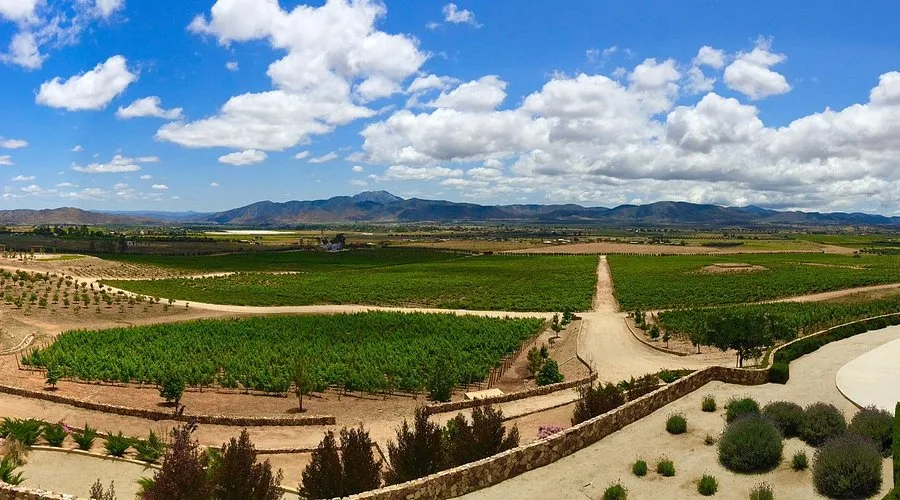
The valley is not a single property but a network of towns and ejidos (communally held farm communities), and prices change with the zone. There is no cheap zone by decree, but where many wineries sit together it is easier to compare and put a day together without long drives.
The Ejido El Porvenir is the classic heart: a grid of roads with big and small houses shoulder to shoulder, where international names and family wineries share the same kilometer. San Antonio de las Minas, on the way to Ensenada, keeps a more small-town rhythm, with long-established houses and a country-cantina feel. Francisco Zarco mixes a bit of everything. The guide to the valley's wineries by zone explains the character of each area. If you want to compare several houses without driving much, El Porvenir and San Antonio de las Minas have many listings.
The highway zone and the surroundings of El Sauzal add another advantage: closeness to Ensenada, which lets you sleep in the city and enter the valley for the day, the formula that lowers the total cost of the trip the most. If you go in the low season, our piece on the best time to visit the valley tells you which months bring pleasant weather and calm rates.
Which wineries should you check first?
These wineries receive visitors without an appointment and have a tasting in a room or at a bar, according to their listings. We do not publish their prices because they change. Ask for them, along with visiting days, when you request the contact details on each listing.
- In Ejido El Porvenir: Wine Factory (in Spanish), with a winery visit and tasting. Don Tomás Viñedo, with a guided tasting of four wines. Vinícola JC Bravo, with a tasting in its hacienda-style room.
- In San Antonio de las Minas: Cava Maciel, with a tasting in its tasting room, and La Casa Vieja, with a tasting in the ranch room.
- At the center of the valley: La Casa de Doña Lupe and Vinos Bibayoff, with a tasting in their cellars.
Why start with them? Because a tasting in a room or at a bar is the simplest format and, with no appointment in the way, the day can be adjusted on the fly. Other houses in the same zones receive by appointment or with longer experiences, and their listings say so.
On each listing, the visit section says whether the house receives without an appointment or by reservation and which tastings it offers, each by name. It is the fastest way to separate the simple tasting from the long experience before writing to anyone. If a house you like only receives by appointment, do not rule it out for that. Ask about its shortest format, which sometimes exists even if it is not advertised, and ask for an early visit: at that hour the terrace is empty, whoever pours has time to chat and the tasting goes twice as far even if it costs the same.
Tip
When you request the contact details on a listing, ask three things in one message: the price of the entry-level tasting, if you need to reserve and which days they are open. You save yourself the wasted trip and the surprise at the bar.
Which tactics lower the day's bill?
Frequent visitors to the valley share an unwritten manual that is worth its weight in gold:
- Travel on weekdays. Same wine, same terraces, fewer people and calmer prices.
- Ask if you can share the tasting. Where it is allowed, one tasting between two is enough to get to know the house.
- Order by the glass. Where there is a restaurant or terrace, a single glass costs less than the full format.
- Buy the bottle among several people and ask if you can open it in the winery's garden.
- Alternate tastings with street food. Food trucks and roadside seafood balance the day and the wallet.
- Skip the tastings with pairings if the budget is tight: the simple tasting tells the same story of the house.
- Finish in the city. The wine bars of Ensenada and Tijuana serve labels from the region by the glass, with no dirt roads.
If you feel shy about sharing, ask when you arrive. Where it is allowed, you order one tasting and an extra glass, and nobody loses out. What people appreciate is being told beforehand, not haggling over the bill.
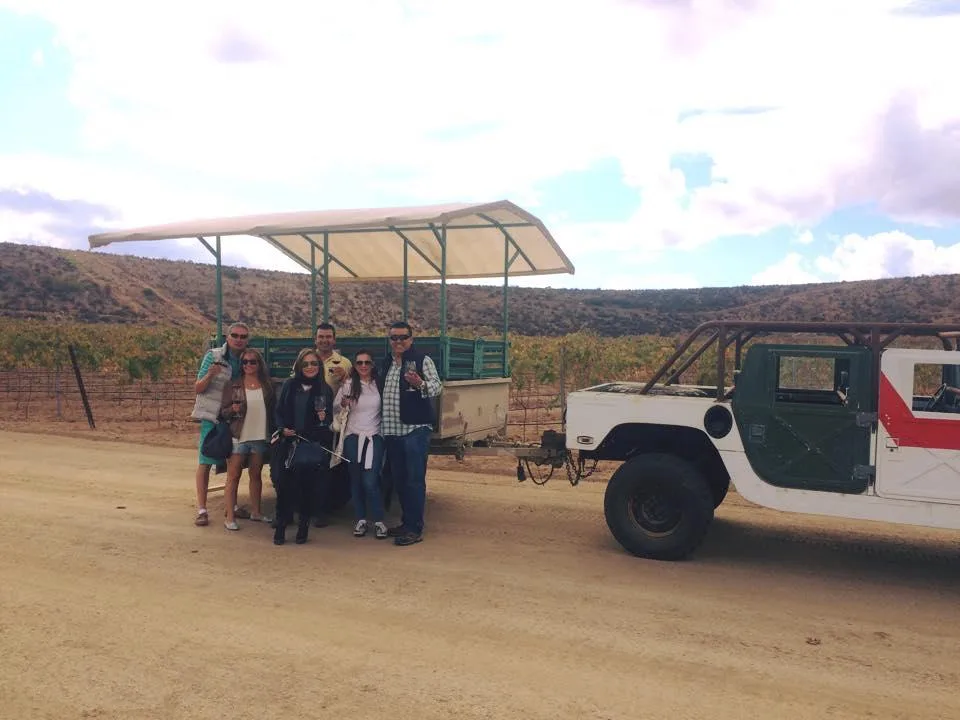
In a group the bill changes: sharing tastings and bottles multiplies what you try without multiplying what you spend, and the budget valley becomes a team plan. Just remember that the team's driver will not be tasting, and thank them with a meal.
That last point on the list deserves its own stop: if the plan is urban, listings such as gSalinas Enoteca and Pan e Vino in Tijuana bring the valley's wines closer without leaving the city, with a selection from the region.
What do you give up by spending less?
Less than the advertising suggests. The entry-level tasting tries the same vineyards and the same climate as the premium experience. What changes is the wrapping: the private room, the tour among the barrels, the courses from the kitchen. For a first approach to the region, the simple version leaves nothing essential out, and it leaves budget to come back.
You also gain something nobody advertises: time. The simple tasting does not tie anyone to a kitchen's schedule, and that freedom lets you stay another hour on the terrace you liked best or change plans if a house was full. Budget days tend to be the most flexible, and in a valley where the perfect plan goes sideways with a single closed dirt road, flexibility is worth as much as the savings.
What is worth taking care of even on a budget day is transportation. The dirt roads are dark at night and tasting means not driving. The guide to touring the wine route without driving explains the options for tours, designated drivers and route taxis. Saving on the tasting and skimping on the safe ride back would be bad math.
And a cultural note that costs nothing: the Museo de la Vid y el Vino puts in context what you will taste afterward: the vine on the peninsula and the people who brought it.
How do you put together your budget day, step by step?
- Choose a single zone, El Porvenir or San Antonio de las Minas, so you do not spend time or gas crossing the valley.
- Open the listings of three wineries in that zone and ask for the contact details to confirm the entry-level tasting, price and hours.
- Schedule the first tasting early, when your palate is fresh and the terrace is empty.
- Handle lunch at a food truck or a simple terrace and save the formal dinner for another trip.
- Settle the ride back before the first glass: your own designated driver, a tour or an agreed transport.
- Carry cash: at small houses it speeds everything up, and on some dirt roads the signal fails.
Tip
The valley is best enjoyed at the pace of a long table: a few houses, well chosen, and time to stay at the one you like most.
With the zone chosen and the tastings confirmed, what is left is the full frame of the trip: the piece on what it costs to travel to the valley closes the total budget, and the weekend itinerary arranges the two days without overspending on transfers.
Share this story with whoever travels with you.