Routes and getawaysBaja CaliforniaQuerétaroand 5 more regions
Wine Routes of Mexico, State by State: Grapes, Seasons and How to Tour Them
Mexico's wine routes state by state: which grapes grow in Baja California, Querétaro, Guanajuato, Coahuila and more, when to go and how to get there.

Mexican wine does not fit in a single landscape. It starts where the Pacific breeze enters the valleys of Ensenada, crosses the semi-desert to the walnut groves of Parras, peeks into the haciendas of the Bajío and climbs to the plains of the altiplano (the high plateau), above 6,500 ft (2,000 m) of altitude. Mexico's wine routes are best understood this way, state by state: each has its own altitude, its grapes, its season and its way of welcoming the traveler.
This guide walks through the seven states where we have wineries in the directory, and each one has its own page: wineries of Baja California, of Querétaro, of Guanajuato, of Coahuila, of Aguascalientes, of Zacatecas and of Chihuahua. For each state we tell you which grapes its wineries mention, what the route is like, when it is best to go and how far it is from the big cities. The data on the wineries comes from their profiles, verified in September 2026. The production figures, distances and dates come from official sources and the press, which we name in each case.
There are vineyards in more places. Depending on the source and the year, the sector counts between 11 and 17 states with wine grapes, from Sonora to Puebla, including Jalisco, San Luis Potosí and Nuevo León. This guide limits itself to the seven where we can answer with our own data.
Where is wine made in Mexico and which grapes are grown?
A good part of the map is explained by how each region offsets the heat. In the northwest, the nearby ocean. In the center and the north, altitude. Querétaro, for example, sits at about 20 degrees north latitude, much farther south than the classic winegrowing regions of Europe, and makes up for it with altitude: its vineyards are planted between 6,230 and 7,550 ft (1,900 and 2,300 m). In the Bajío and the altiplano, the profiles in our directory that give their altitude hover around 6,560 ft (2,000 m), and the highest, Camino de Vinos, in the Guanajuato sierra, notes about 7,870 ft (2,400 m).
The list of grapes is long. Mexico's Secretaría de Agricultura (agriculture ministry) lists among the red grapes grown in the country Cabernet Sauvignon, Merlot, Tempranillo, Nebbiolo, Zinfandel, Petite Sirah, Barbera, Grenache and Misión, and among the whites Chardonnay, Chenin Blanc, Sauvignon Blanc, Semillon and Colombard.
In the directory's profiles, the grapes that appear most are Merlot (20 profiles), Syrah, which some houses call Shiraz (19), Cabernet Sauvignon (18), Nebbiolo (12), Malbec (11), and Tempranillo and Chardonnay (10 each). Among the whites, Chenin Blanc and Sauvignon Blanc also show up, with six mentions each. These are counts of what each house says in its description, not of hectares. They are useful for knowing what to look for on each route, not for measuring how much is planted.
One name on that list needs a footnote. Mexican Nebbiolo has a more tangled genetic story than the label says, and we tell it in what grape Mexican Nebbiolo really is.
What does the Baja California wine route offer?
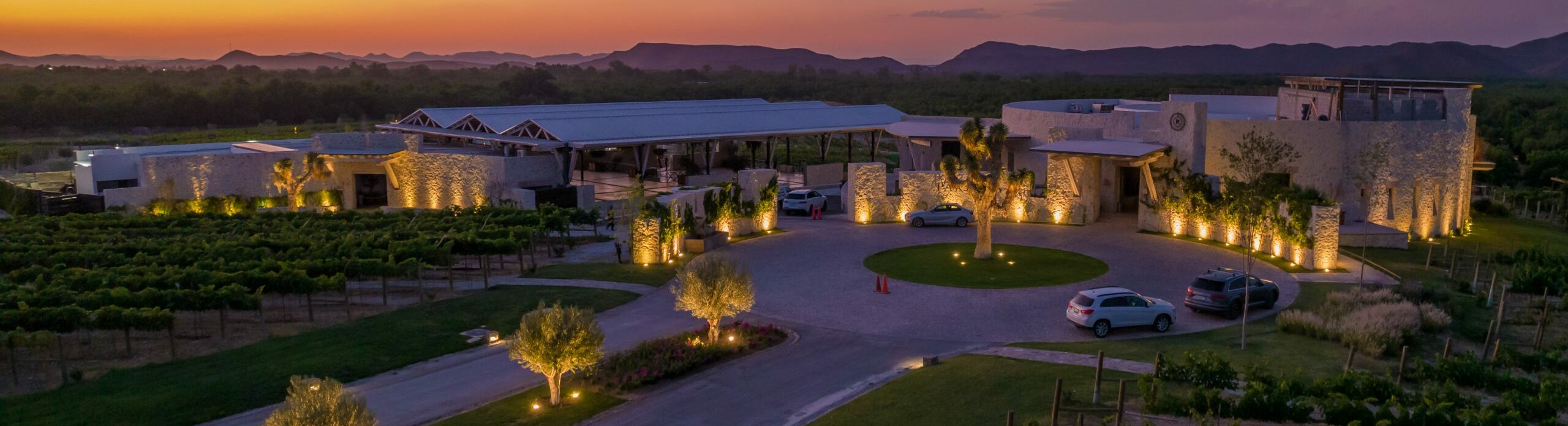
It is the state that produces the most wine in the country and the one with the most profiles in our directory, by a wide margin. Its heart is Guadalupe Valley (Valle de Guadalupe), about 12 to 16 miles (20 to 25 km) north of Ensenada and a little over 62 miles (100 km) from Tijuana, along Federal Highway 3, whose kilometer markers number many of its wineries.
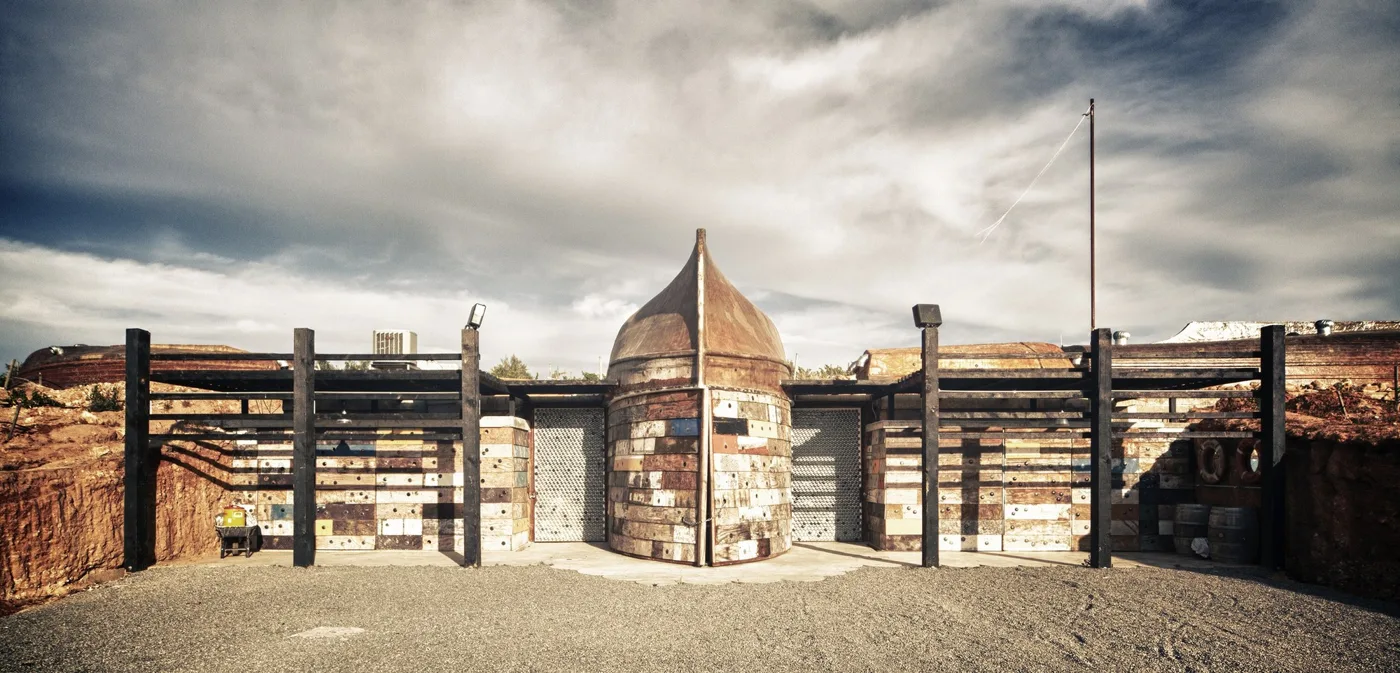
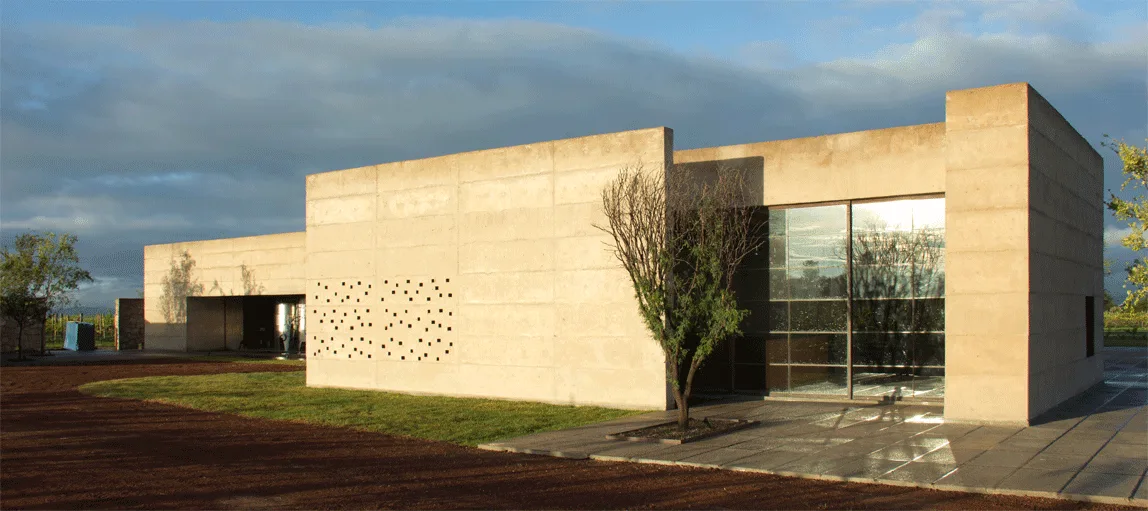
The valley is understood by zones. San Antonio de las Minas gathers small projects and architecture of earth and stone. El Porvenir is the ejido with the most profiles. Francisco Zarco holds the memory of the Russian colony, where about 40 Molokan families arrived between 1905 and 1907, and the El Sauzal coast puts vineyards in front of the sea. Beyond that there is wine in Ojos Negros, San Vicente, La Grulla, San Quintín and Tecate. All those zones, with their wineries one by one, are in our guide to the valley by zone.
In its profiles, Merlot and Cabernet Sauvignon lead, with 13 mentions each, followed by Syrah, with 12, and Nebbiolo, with 10. What is interesting is at the margins. In El Porvenir, Vinícola JC Bravo pulls Palomino and Carignan from vines more than half a century old that grow without irrigation. Bodegas de Santo Tomás, founded in 1888 according to its profile, bottles a Misión Tinto. According to the stores that sell it, it is a blend with a majority of Mission grape, the one that owes its name to the missions where it was planted.
August is the big month: Provino Baja California organizes the Fiestas de la Vendimia (the harvest festival) every summer, which in 2026 reached their 36th edition (XXXVI), from August 5 to 30, with more than 35 activities. The rest of the year the valley receives visitors without the August bustle, and many houses ask for a reservation.
Which grapes and vineyards are in Querétaro?
Querétaro is the route closest to Mexico City: from the capital to Tequisquiapan it is about 109 miles (176 km), around two hours by highway. We have 18 profiles in the state, and the 15 verified ones are spread across seven municipalities of the Ruta del Arte, Queso y Vino (Art, Cheese and Wine Route), where wineries share the road with cheese makers.
Here the wine has a sparkling accent, and you can tell in the vineyard. Puerta del Lobo, in El Marqués, grows nine varieties on its 67 planted acres (27 hectares), among them Xarel-lo, Macabeo and Parellada, the three classic grapes of Catalan cava, alongside Sauvignon Blanc, Verdejo, Merlot, Malbec, Tempranillo and Syrah. Cabernet Sauvignon also appears in the rest of the verified Querétaro profiles.
The Querétaro harvests fill the summer and the start of fall: in 2026 they run from June 6 to October 18. In May, Tequisquiapan holds the Festival Internacional del Arte, Queso y Vino (International Festival of Art, Cheese and Wine), which in 2026 reached its half-century mark. The full route, municipality by municipality and winery by winery, is in our guide to vineyards in Querétaro.
What is the Guanajuato wine route like?
Guanajuato presents itself, according to its state tourism office, as the country's fourth-largest wine producer, with more than 650 medals in national and international competitions. The official route passes through San Miguel de Allende, Dolores Hidalgo, Comonfort, San Felipe and León and, according to El Pípila, the state adds up to 82 vineyards and 31 wineries. Our directory has eight profiles, seven verified, almost all between San Miguel de Allende and Dolores Hidalgo, about 25 miles (40 km) from each other.
The route claims insurgent roots: the priest Miguel Hidalgo taught people in Dolores to grow the vine, along with silk and bees, according to his biographies. Tradition adds that viceregal authorities ordered those vines destroyed, although the document that proves it is not known. Today, the Guanajuato profiles feature Malbec and Merlot, Sauvignon Blanc, Sangiovese and Muscat.
San Miguel de Allende is about three and a half hours from the capital, 171 to 193 miles (275 to 310 km) depending on the route, so the trip calls for at least one night. Three of the state's wineries have lodging of their own. The harvest season organized by the state government runs from August to October: in 2026, from August 1 to October 18, with 16 experiences spread across four municipalities. What to visit and in what order is in our Guanajuato wine route.
Why is Parras home to the oldest winery in the Americas?
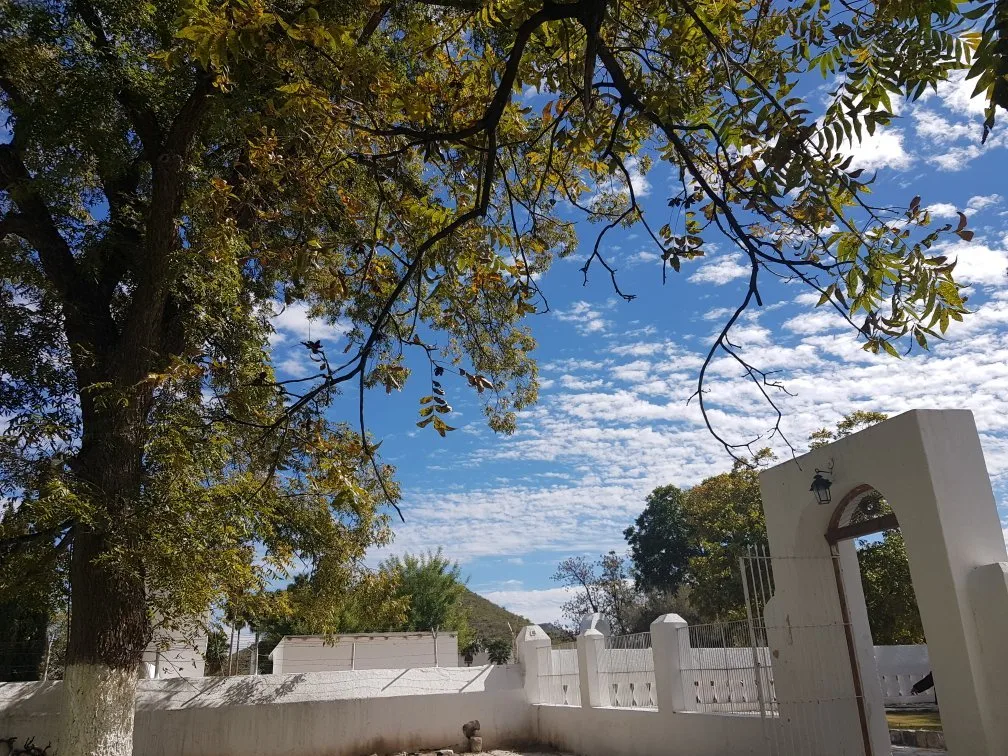
In southern Coahuila, about 93 miles (150 km) from Saltillo, 98 miles (157 km) from Torreón and 142 miles (228 km) from Monterrey, Parras de la Fuente is a green pocket in the middle of the semi-desert. Casa Madero says the first Spaniards found springs and wild vines there, and that in 1597 don Lorenzo García obtained the land grant (merced) for those lands and founded the Hacienda de San Lorenzo. That hacienda, which the Madero family acquired in the late nineteenth century, is today Casa Madero, considered the oldest winery in the Americas.
Around it, the Parras valley adds a dozen more houses that receive visitors, from family wineries in town and haciendas converted into hotels to high-altitude vineyards in the Valle del Tunal, at about 6,890 ft (2,100 m). All of them, with what each one offers, are in our guide to Parras.
The rest of the state completes the map. The Coahuila profiles feature Syrah, Cabernet Sauvignon, Cabernet Franc, Malbec, Tempranillo and Petit Verdot, as well as rarities like Caladoc. In Cuatro Ciénegas, in the center of the state, a winery born in the nineteenth century still makes Muscat- and sherry-style wines, and to the southeast the Sierra de Arteaga has mountain vineyards.
The date of the year is the Feria de la Uva y el Vino de Parras (Parras Grape and Wine Fair), every August. The 2026 one, the 79th, took up the first half of the month, according to the regional press, and Casa Madero added its own harvest festival in those days, with dinner and tasting.
What wine is made in Aguascalientes?
The Aguascalientes route is small in our directory and broad in its calendar. The three profiles we have are in Pabellón de Arteaga, in the north of the state, but the state Ruta del Vino announced for 2026 more than 20 venues, among vineyards, wineries and wine houses in municipalities such as Cosío, Rincón de Romos, San Francisco de los Romo, Jesús María and the capital, according to El Sol del Centro. Its harvest season takes up the summer, from July to September.
Vinícola Santa Elena shows the state's variety well. According to its profile, it works with Malbec, Nebbiolo, Syrah, Merlot, Tempranillo, Cabernet Franc, Viognier, Cinsault and Macabeo, uses concrete barrels for aging some of its wines and has a restaurant. It receives visitors Wednesday to Sunday and by reservation only. Of the three houses in the state in our directory, one offers lodging of its own.
Is there wine in Zacatecas and Chihuahua?
Yes, and with an altitude accent. In Zacatecas we have a single profile, but an eloquent one: Vinícola Campo Real, in Trancoso, grows at about 7,550 ft (2,300 m) on the Camino Real de Tierra Adentro, the viceregal route that UNESCO inscribed as a World Heritage Site, and its wine, Tierra Adentro, takes its name from there. Its profile speaks of forty years of work, of winemakers such as Joaquín Madero Tamargo, a descendant of the Madero family, and Hugo D'Acosta, and of reds from Merlot, Nebbiolo and Malbec. Mexican wine guides place the state's producing zone in municipalities such as Trancoso, Ojocaliente, Jerez and Fresnillo.
Chihuahua is living a moment of growth: El Universal called it in 2026 the new winemaking epicenter of Mexico. According to that newspaper, the state adds up to about 60 vineyards, more than 1,040 acres (420 hectares) of cultivation and around 200 labels, spread across zones such as Delicias, Aldama, Namiquipa, Bachíniva, Casas Grandes, Sacramento, Samalayuca and the Valle de Encinillas.
In the directory we have Bodegas Pinesque, in the state capital, founded in 2009 and, according to its profile, heading the local wine cluster. Its first commercial wine, 5 de Pinesque, blends Cabernet Sauvignon and Shiraz, and its Bárbaro is made with late-harvest Barbera. The big Chihuahua wine festival is Vinorte, which in 2026 held its fifth edition on June 6 at the Centro Cultural Quinta Carolina, in the city of Chihuahua, with about twenty wineries from the state.
When is the best time to go to each wine route?
Each route has its high season, almost always tied to the harvest. With the 2026 dates as a reference:
- Baja California: Fiestas de la Vendimia, in August.
- Querétaro: harvests from June to October and, in May, the Tequisquiapan Festival del Arte, Queso y Vino.
- Guanajuato: harvests from August to October.
- Coahuila: Feria de la Uva y el Vino de Parras, in the first half of August.
- Aguascalientes: harvests from July to September.
- Chihuahua: Vinorte, in early June.
- Zacatecas: no season published in the sources we consulted, so ask the winery.
Outside those weeks the wineries keep receiving visitors, more quietly, although many only by appointment. Before you leave, check when you need to book a winery visit and how to do it without hassle. We do not book for you: write to each winery through the channel its profile indicates.
Tip
Harvest dates change every year. Use them to choose the month, but confirm the dates of the edition you are targeting with the winery or the organizer before you book a flight or a hotel.
Which wine route should you choose for your trip?
The best route depends less on fame than on the hours of road you are willing to drive and the kind of trip you want:
- If you leave Mexico City with a weekend: Querétaro, about two hours away, or Guanajuato, about three and a half hours away, with a night in between.
- If it is your first route and you want many wineries close together: Guadalupe Valley, where dozens of wineries sit within a few miles of each other.
- If you travel for history: Parras, where wine has been made since 1597, and Dolores Hidalgo, with its insurgent memory.
- If you leave from Monterrey or Saltillo: Parras is 142 and 93 miles (228 and 150 km) away, respectively, and the Sierra de Arteaga adds mountain vineyards.
- If you want high-altitude wines: Zacatecas, at about 7,550 ft (2,300 m), or the vineyards of the Bajío, which hover around 6,560 ft (2,000 m).
- If you are interested in a route in full expansion: Chihuahua, with its festival every June.
- If you want your wine in the same place as your cheese: Querétaro, with wineries and cheese makers on the same road.
Tip
On any route, two or three wineries a day are enough. Group them by proximity and leave lunch in the middle. Wine is enjoyed more when you do not have to rush to the next appointment.
Choose a single route, open the page for its state and mark three profiles close to each other. Write to each one with your date and the number of people, and build the trip around the first one that confirms. The next state can wait for the next trip.
Share this story with whoever travels with you.